


.avif)






Recent Blogs
Stay updated with our latest blog posts.


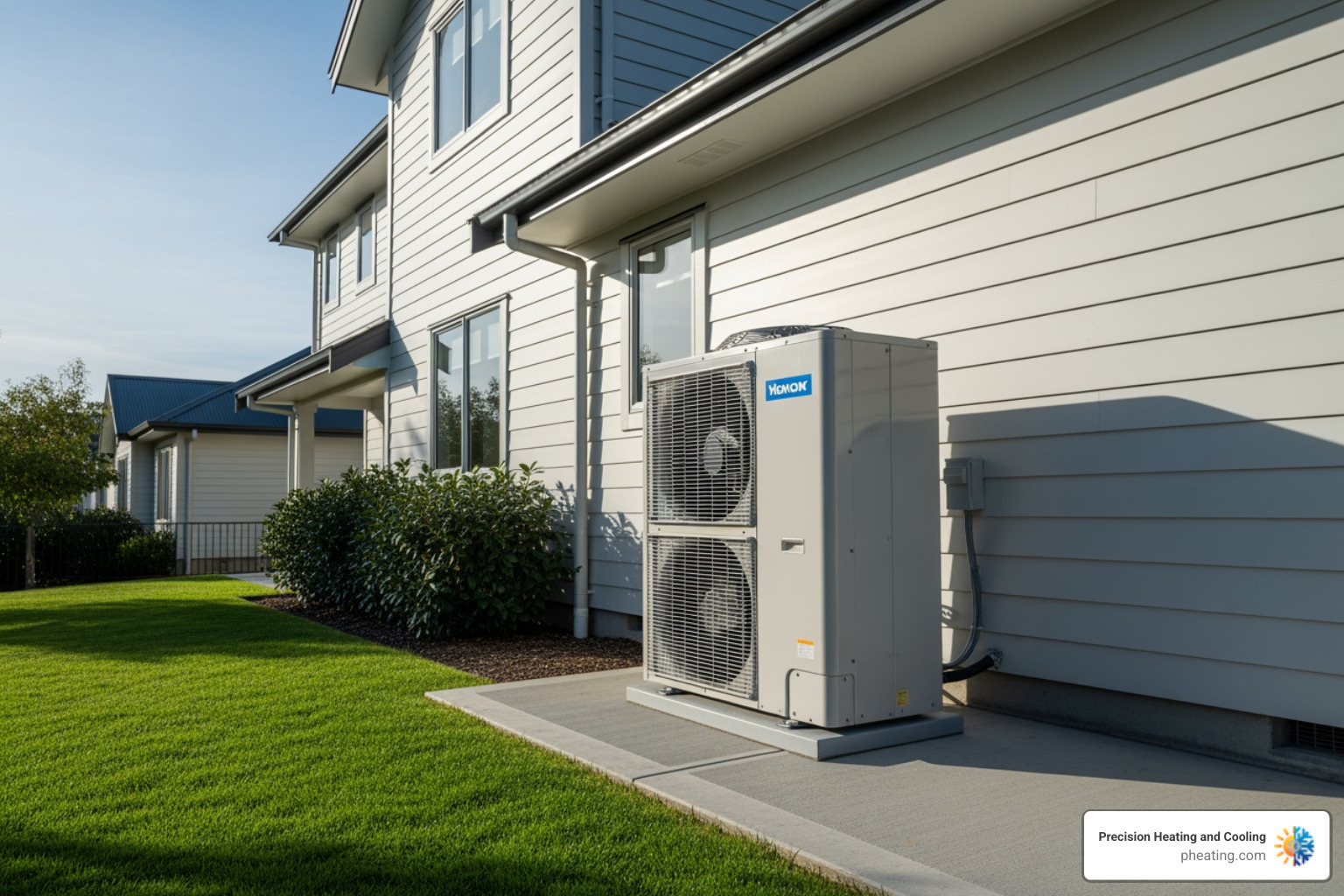
A heat pump tune up is a professional maintenance service where an HVAC technician inspects, cleans, and adjusts your system to ensure optimal performance, efficiency, and longevity. This typically includes checking refrigerant levels, cleaning coils, testing electrical connections, calibrating your thermostat, and verifying proper airflow—all designed to catch small issues before they become costly repairs.
What's Included in a Heat Pump Tune Up:
Your heat pump works hard year-round in the San Jose Bay Area, switching between heating in winter and cooling in summer. Just like your car needs regular oil changes to run smoothly, your heat pump needs annual maintenance to deliver reliable comfort and avoid unexpected breakdowns. Skipping tune-ups means your system gradually loses efficiency, works harder to keep you comfortable, and costs more to operate. Research shows that a well-maintained heat pump uses 10-25% less energy than a neglected one, which translates to real savings on your utility bills.
Whether you need heat pump services in San Jose or want to schedule a professional tune-up, regular maintenance protects your investment and keeps your home comfortable all year long.
I'm Tony Lara, and I've spent years in the HVAC field helping homeowners keep their systems running efficiently. Throughout my career, I've seen how a simple heat pump tune up can prevent major headaches and save families hundreds in repair costs—that's why I'm passionate about sharing what really matters when it comes to proactive maintenance.

Learn more about heat pump tune up:
Think of your heat pump like a hardworking friend who never takes a day off. It heats your home in winter, cools it in summer, and rarely complains—until something goes wrong. That's why a regular heat pump tune up isn't just a nice-to-have; it's absolutely essential for keeping your system running smoothly and your family comfortable year-round.

Let's start with your energy bills. According to the National Renewable Energy Laboratory (NREL), a well-maintained heat pump uses 10-25% less energy than a neglected one. That's up to a quarter of your energy costs wasted if your system isn't running at its best. Don't let those savings slip away.
A heat pump tune up also helps extend your system's lifespan by reducing wear and tear on critical components, giving you more years of reliable service from your investment.
Regular maintenance means fewer unexpected breakdowns. Nearly half of all HVAC repairs happen because homeowners skip routine maintenance. During a tune-up, technicians catch small issues—like a loose connection or low refrigerant—before they become emergencies. If you do run into trouble, we're always ready to help with Heat Pump Repair San Jose, CA.
Your daily comfort improves too. A properly maintained heat pump delivers consistent temperatures, eliminating hot and cold spots. You'll also enjoy better indoor air quality since tune-ups include cleaning coils and checking filters, which removes dust and allergens from your home's air.
Don't forget about warranty protection. Most manufacturers require proof of annual professional maintenance to keep your warranty valid. Skipping tune-ups could void your coverage, leaving you responsible for expensive repairs.
The consequences of neglect are real: higher energy bills, reduced output, strange noises, and a system that fails prematurely. We've written about the Benefits of Regular Heat Pump Maintenance because we've seen the difference it makes for homeowners.
A heat pump tune up isn't an expense—it's an investment in your comfort, savings, and peace of mind. After two decades in this business, we know that proactive care always beats reactive repairs.
Your heat pump usually works quietly, but it sends signals when something is wrong. Think of these as your system asking for help. Catching these warning signs early and scheduling a heat pump tune up can prevent minor issues from becoming expensive repairs or a complete system failure.

Here are the five key signs we tell homeowners throughout Sunnyvale, Hanford, and the entire Bay Area to watch for:
An unexplained spike in your utility bills is a major red flag. If your energy costs are climbing but your habits haven't changed, your heat pump is likely working overtime due to an inefficiency. Issues like a 15% airflow reduction or a 20% refrigerant undercharge can significantly impact efficiency. That wasted energy translates directly to wasted money.
Are some rooms too hot while others are cold? Does the air from your vents feel weak? These are red flags that your heat pump isn't distributing air properly. The cause could be dirty coils, clogged filters, a struggling blower motor, or leaky ductwork. As we've covered in Signs of Reduced Airflow in Heat Pump System, this is a common issue. Studies show 70-90% of systems have performance-compromising faults from improper installation or maintenance. If your system is fighting hidden problems, your comfort suffers.
Your heat pump should operate with a gentle hum. If you're suddenly hearing grinding, squealing, banging, hissing, or clicking sounds, that's your cue to pick up the phone. These noises are your system's distress signals. Grinding might mean worn bearings, squealing often points to belt issues, and banging could indicate loose components. Clicking can signal electrical problems. If your Heat Pump Is Making Clicking Sounds During Operation, don't wait. Strange noises rarely fix themselves and usually lead to bigger problems.
If your heat pump turns on, runs for only a minute or two, then shuts off and repeats the cycle, it's short cycling. This pattern is incredibly hard on your system, putting enormous strain on components like the compressor and drastically shortening its lifespan. Your home also never reaches a comfortable temperature. Short cycling can stem from an incorrectly sized unit, dirty filters, refrigerant leaks, or a malfunctioning thermostat. It's a clear sign your system needs professional attention before a major breakdown occurs.
A little frost on your outdoor unit in cold weather isn't unusual, especially during the defrost cycle. But if you see persistent ice buildup or a heavy frost coating the coils, something's wrong. Excessive ice typically points to a malfunctioning defrost cycle, low refrigerant levels, or severely restricted airflow. This isn't something to ignore—ice buildup forces your system to work much harder and can cause serious damage. If you notice ice forming, it's time to Solve Heat Pump Defrost Cycle Problems before they escalate.
The good news? All of these warning signs are fixable when you catch them early. That's exactly why we're such big believers in regular heat pump tune up service—it helps us spot these issues before they ever become problems you notice.
When you schedule a professional heat pump tune up with us, you're getting far more than a quick once-over. This is a thorough, systematic inspection and maintenance service where our certified technicians carefully check, clean, and optimize every component of your system. We're talking about a comprehensive process designed to catch small issues before they become big problems, ensuring your heat pump is ready to deliver reliable comfort whether you're cooling your home in the San Jose summer or heating it during those chilly Central Valley winters.

Our tune-up process covers three main areas: your indoor unit, your outdoor unit, and system-wide verification to ensure everything works together seamlessly.
Your indoor unit might be tucked away in an attic, closet, or basement, but it plays a starring role in your home's comfort. We start here with a detailed inspection that includes checking and replacing your air filter—a simple step that makes a huge difference in airflow and air quality. A clogged filter forces your system to work harder than it should.
Next, we inspect and clean the blower motor and wheel, which are responsible for moving conditioned air throughout your home. Dirt buildup here can reduce efficiency and strain the motor. We also lubricate any moving parts to minimize friction and wear, keeping everything running smoothly.
The evaporator coil gets special attention too. This component absorbs heat during cooling season and releases it during heating season, so it needs to be clean and free of debris for optimal heat transfer. We carefully inspect it, clean it if needed, and straighten any bent fins that might be blocking airflow.
We also flush your condensate drain line and pan to prevent clogs that could lead to water damage or mold growth—nobody wants that surprise. All electrical connections are inspected for corrosion or looseness and tightened as needed for safe, reliable operation. We'll even take a look at your ductwork for any visible leaks or damage that might be stealing your conditioned air before it reaches your living spaces.
Your outdoor unit faces the elements year-round, so it needs regular care to stay in top shape. The condenser coil is our main focus here—we thoroughly clean it to remove dirt, leaves, pollen, and any other debris that accumulates over time. A dirty outdoor coil can't release heat efficiently, which means your system works harder and costs more to run.
We inspect the fan and its motor, checking for damage and ensuring smooth operation. Lubricating moving parts keeps everything running quietly and extends component life. One of the most critical steps is verifying your refrigerant levels and checking for leaks. Proper refrigerant charge is essential for efficient heat transfer—too little or too much can seriously compromise performance. The U.S. Department of Energy provides helpful information about preventive maintenance practices for heat pump systems.
We also clear debris from the base-pan drain holes, measure compressor amperage and voltage to assess its health, and test the reversing valve to ensure your heat pump can smoothly switch between heating and cooling modes when you need it to.
The final phase brings everything together. We calibrate your thermostat to ensure it's reading temperatures accurately and communicating properly with your heat pump. If your thermostat is off by even a few degrees, you could be wasting energy without realizing it.
We measure airflow throughout your system, sometimes checking static air pressure to identify blockages or restrictions. Proper airflow is absolutely essential for efficiency and comfort—it's what ensures every room in your home gets the conditioned air it needs. Our experience with How Our Technicians Handle Heat Pump Repair has taught us that airflow issues are often at the root of comfort complaints.
Finally, we test all safety controls and mechanisms to ensure they're functioning correctly and will protect both your system and your home. We verify electrical control settings are optimized for your specific system, and we may even initiate a defrost cycle to confirm it's working properly for those colder months ahead.
This comprehensive approach means your heat pump gets the thorough care it deserves, leaving you with a system that's efficient, reliable, and ready to keep your San Jose Bay Area or Central Valley home comfortable all year long.
While our professional heat pump tune up is essential for keeping your system in top shape, you're not just a bystander in this relationship. Think of yourself as your heat pump's daily caregiver—we're the doctors who come in for the annual physical, but you're the one making sure it eats its vegetables and gets enough exercise between visits. The good news? The tasks you can handle are straightforward, don't require any special skills, and make a real difference in your system's performance.

Let's start with the superstar of DIY maintenance: changing your air filters regularly. This single task has an outsized impact on your heat pump's efficiency and your home's air quality. A clogged filter is like trying to breathe through a pillow—your system has to work much harder to move air, wasting energy and money. We recommend checking your filter monthly and swapping it out every one to three months, depending on your household. Got pets? Allergies? Live in a dusty area? You'll want to change it more frequently. When shopping for filters, consider using 1-inch pleated filters with higher MERV ratings for better air quality, though be mindful not to go so high that you restrict airflow.
Your outdoor unit needs a little breathing room, too. Take a walk outside every few weeks and clear away any debris that's accumulated around it—leaves, grass clippings, dirt, and anything else that might be blocking airflow. We recommend maintaining at least 18 to 24 inches of clearance on all sides. While you're out there, check for any shrubs or plants that have gotten a bit too friendly with your unit and trim them back.
Inside your home, don't forget about your registers and vents. Dust and dirt love to settle on these surfaces, and over time, they can restrict airflow. Give them a quick wipe-down regularly, and make sure they're not blocked by furniture, drapes, or that pile of laundry that's been sitting there since last Tuesday. All vents should be open and unobstructed to allow air to circulate properly throughout your home.
Here's something that might surprise you: your thermostat habits matter more than you think. For maximum efficiency, set your thermostat's fan to "auto" rather than "on." And here's the counterintuitive part—heat pumps actually work most efficiently when you "set it and forget it" rather than constantly adjusting the temperature. Unlike traditional heating systems, frequent thermostat setbacks can trigger your heat pump's less efficient backup heating, which defeats the purpose of saving energy. One homeowner in an article from Decarbonize Your Life finded they saved noticeable energy by simply leaving their heat pump at a consistent temperature instead of adjusting it throughout the day.
Finally, think about how air moves through your home. If you have a single central return and you close bedroom doors at night, you might be creating pressure imbalances that make your system work harder. Simple solutions like undercutting doors by an inch or two can help, or for a more permanent fix, consider having a professional install jumper ducts to ensure proper air circulation.
Now let's talk about timing. How often should you schedule a professional tune-up? For most homeowners in the San Jose Bay Area, once a year is the minimum. But here's where living in our mild climate changes things—because your heat pump works year-round providing both heating and cooling, we typically recommend scheduling maintenance twice a year. This means one visit before cooling season and another before heating season, ensuring your system is always prepared for what's ahead.
The best times to schedule are in the spring (before summer heat arrives) and fall (before winter temperatures drop). This proactive approach prevents those dreaded breakdowns on the hottest day of summer or the coldest night of winter. Plus, it helps you avoid the rush—everyone suddenly remembers their HVAC system when it stops working, but you'll be ahead of the game. We've written extensively about Why Heat Pump Needs Spring Maintenance to help homeowners understand the importance of seasonal preparation.
When it comes to finding the right professional, don't just go with the first name you find online. Look for companies whose technicians are certified through an Energy Skilled-recognized certification program. These certifications mean the technician has proven expertise in heat pump systems specifically, not just general HVAC knowledge. At Precision Heating and Cooling, we've been serving the San Jose Bay Area and Central Valley for over two decades, and our team brings that experience to every heat pump tune up we perform.
The bottom line? You handle the simple stuff between visits, and we'll take care of the complex technical work. Together, we'll keep your heat pump running efficiently for years to come.
We've been serving homeowners throughout the San Jose Bay Area for over two decades, and we've heard just about every question imaginable about heat pump maintenance. Here are the answers to the most common ones we hear from folks in Cupertino, Los Gatos, Palo Alto, and beyond:
We love that you're interested in taking care of your system! And yes, there are absolutely some important tasks homeowners should handle regularly—like changing filters monthly, keeping debris away from the outdoor unit, and ensuring vents aren't blocked by furniture. These simple steps make a real difference in your system's day-to-day performance.
However, a comprehensive professional heat pump tune up involves much more than these basics. Heat pumps contain high-pressure refrigerant lines, complex electrical components, and intricate mechanical systems that require specialized diagnostic tools and training to service safely. Attempting advanced maintenance tasks without proper certification can be genuinely dangerous—both to you and to your system. You could inadvertently cause damage that costs far more to repair than the tune-up would have cost in the first place.
Our certified technicians know exactly what to look for and have the expertise to spot issues that aren't visible to the untrained eye. When you're dealing with electrical connections, refrigerant levels, or compressor diagnostics, it's always worth calling in the professionals. For a better understanding of what we handle during service calls, take a look at Issues Professionals Can Fix in Heat Pumps.
This surprises many homeowners, but yes—even brand-new heat pumps absolutely need professional tune-ups! Here's why this matters so much.
First, warranty validation is critical. Most manufacturers require proof of annual professional maintenance to keep your warranty valid. If you skip tune-ups and a major component fails a few years down the line, you could find yourself on the hook for the full replacement cost because your warranty was voided.
Second, and perhaps more importantly, initial tune-ups ensure proper installation. While we always strive for perfection, studies show that a staggering 70-90% of heat pump systems exhibit at least one performance-compromising fault due to improper installation or inadequate maintenance. When duct leakage is factored in, this rate jumps to 90-100%! These installation-related faults account for approximately 9% of the energy used in HVAC systems nationwide, costing billions in unnecessary utility bills.
An initial professional inspection catches early faults before they become habits for your system. It confirms that refrigerant levels are correct, airflow is optimized, electrical connections are secure, and your thermostat is properly calibrated. Think of it as making sure your brand-new car is road-ready—you wouldn't skip the first service just because it's new, right? Learn more about the importance of Heat Pump Quality Installation and Commissioning for your new system.
A typical professional heat pump tune up takes between 1 to 2 hours from start to finish. This gives our technicians enough time to thoroughly inspect both your indoor and outdoor units, clean critical components, test all safety controls, and verify your system's overall performance.
That said, several factors can affect the actual duration. An older system or one that hasn't been maintained regularly might need a bit more attention—extra time for coil cleaning, for instance, or addressing minor issues we find during the inspection. The condition of your system plays a big role, too. If we find a clogged condensate drain or notice your refrigerant levels need adjusting, we'll take care of those issues during the visit, which can add a bit of time.
The complexity of your particular heat pump matters as well. A basic single-stage system typically takes less time than a more sophisticated variable-speed or multi-zone system. Rest assured, we never rush through a tune-up just to save time. We take whatever time is needed to ensure your system is operating safely, efficiently, and reliably for your family's comfort.
We hope this guide has shown you just how important a regular heat pump tune up truly is for your home's comfort and efficiency. Think of it as a small investment that delivers big returns: lower energy bills, fewer unexpected breakdowns, a longer-lasting system, and the kind of reliable comfort you can count on year-round. When you stay proactive with maintenance, you're not just protecting a piece of equipment—you're protecting your family's comfort and your peace of mind.
Here in the San Jose Bay Area & Central Valley, we know how hard your heat pump works throughout the year. Whether you're keeping cool during a Cupertino summer or staying warm through a chilly Hanford winter, your system deserves the expert care that keeps it running smoothly. At Precision Heating and Cooling, we've spent over two decades helping homeowners like you in Cupertino, Los Gatos, Clovis, Palo Alto, Santa Clara, Sunnyvale, and Hanford get the most out of their heating and cooling systems.
Don't wait until your heat pump starts showing signs of trouble. The best time to schedule maintenance is before you need it, not after your system has already struggled through a breakdown. Let our experienced technicians give your heat pump the comprehensive care it needs to deliver consistent, efficient comfort for years to come.
Ready to ensure your heat pump is operating at its best? Schedule your heat pump services today! We're here to provide the reliable service and competitive pricing you deserve, with flexible payment options that make it easy to invest in your home's comfort.

Leslie was amazing for her outstanding customer service skills with me the other day. Thanks to her help my air conditioner is now all set up. She answered all my questions and took away all my problems. Leslie broke it down step by step to set it up easier. Now thanks to her my air conditioner is working perfectly. I really appreciate it Leslie and I’ll be sure to ask for you if I ever come back.
I contacted Precision Heating and Cooling for my home's AC repair. They were punctual and very professional. Guillermo was very kind and thorough. I would highly recommend them!
I am writing to express my sincere appreciation for the excellent work performed by Pablo and Alejandro from Precision Heating and Cooling. Their commitment to quality and customer satisfaction is truly commendable. Awesome job guys!
I would like to extend my sincere gratitude to Alejandro for his exceptional hard work. His passion for helping others is evident, and he consistently goes above and beyond in his service. Alejandro's thorough cleaning of my fireplace has truly made a significant difference. His dedication and professionalism are greatly appreciated.
I was very impressed. Came at night (after 9pm) to fix our AC during the middle of a heat wave the day before a national holiday! Technician was very courteous and efficient, got the job done quickly. Will definitely call them again for any AC servicing I need!
Fast and efficient, arrived when scheduled for repairs and replacement parts were ordered and installed quickly. Techs were very friendly and professional. AC system works great now! I highly recommend their services if you need repairs. Tim


.avif)
