


.avif)







Recent Blogs
Stay updated with our latest blog posts.


When considering the mini split vs central ac cost comparison in San Jose, CA, homeowners often look for the most efficient and affordable way to keep their homes comfortable. Making the right choice is crucial, as it impacts both your wallet and your daily comfort for years to come. Here’s a quick overview of how these two popular cooling systems stack up:
Ready to explore your options for a comfortable and efficient home?Learn more about our ductless solutions | Get a personalized consultation todayFor those in the San Jose Bay Area seeking reliable HVAC solutions, understanding your choices is key. Finding reliable local plumbers in San Jose is also crucial for overall home comfort.
I'm Tony Lara, and in my HVAC work, I've spent years helping homeowners navigate the complexities of their heating and cooling needs, often focusing on the mini split vs central ac cost comparison to find optimal solutions. My experience includes optimizing operations, improving customer service, and tracking down hard-to-find parts to ensure systems run efficiently and reliably.

As we navigate through April 2026, the landscape of home cooling in California has shifted significantly. With rising energy costs and stricter environmental standards, the mini split vs central ac cost comparison is no longer just about the price tag on the unit. It is about how that unit interacts with your specific home in places like Sunnyvale, Palo Alto, or Clovis.
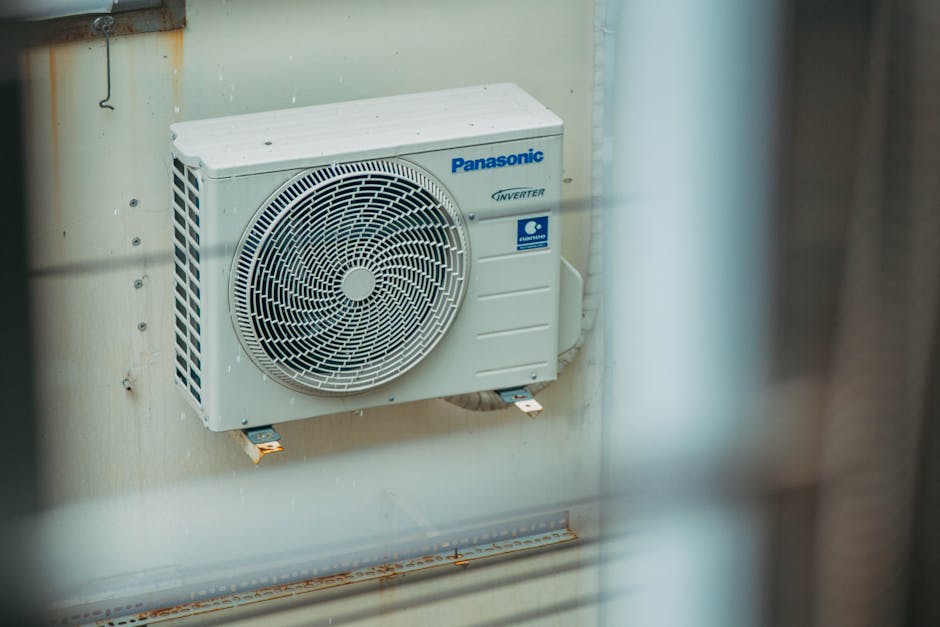
To understand the real financial impact, we have to look at the technology under the hood. Central air systems traditionally operate on an "all-or-nothing" basis. When the thermostat clicks, the whole house gets cooled. Mini splits, or Ductless systems, utilize inverter technology. Think of it like a dimmer switch for your cooling. Instead of blasting at 100% and then shutting off, the variable-speed compressor ramps up or down to maintain a steady temperature. This prevents the energy-hungry "startup" cycles that plague older central systems.
Furthermore, mini splits offer built-in zoned cooling. If you’re spending the afternoon in your home office in Cupertino, why pay to cool the guest bedrooms and the dining room? By only cooling the rooms you are actually using, the operational efficiency of a mini split often leaves traditional central AC in the dust.
Efficiency is measured primarily by the SEER2 (Seasonal Energy Efficiency Ratio 2) rating. In 2026, energy codes have become more stringent, and for good reason. Most modern central AC systems hover between 14 and 21 SEER2. In contrast, high-end mini splits can reach ratings of 18 to 30+.
When we perform Mini Split Service Sunnyvale CA, we often see the direct impact of these ratings on utility bills. A higher SEER2 rating means the system uses less electricity to produce the same amount of cooling. For a 2,000-square-foot home, switching to a high-efficiency ductless system can reduce monthly cooling bills by 20% to 30%. Over a long California summer, those savings add up to a significant amount of money back in your pocket.
The "hidden monster" in any HVAC discussion is the ductwork. The Department of Energy estimates that ducted systems lose up to 30% of their conditioned air before it ever reaches your living space. This happens through leaky joints, poor insulation, or ducts running through unconditioned spaces like a scorching hot attic.
If your ducts are located in a 140-degree attic in the Central Valley, your central AC has to work overtime just to combat the heat soaking into the metal pipes. This is where Ductless AC Installation Palo Alto CA provides a massive advantage. By delivering air directly into the room, there is zero thermal loss. You are paying for 100% of the cold air you actually feel.
When homeowners ask us about the "upfront" part of the mini split vs central ac cost comparison, we have to look at the bones of the house.
| Factor | Central AC (Existing Ducts) | Central AC (New Ducts) | Multi-Zone Mini Split |
|---|---|---|---|
| Installation Complexity | Low to Moderate | Very High | Moderate |
| Structural Impact | Minimal | Significant (Walls/Ceilings) | Minimal (3" Wall Hole) |
| Labor Hours | 8–16 Hours | 40–80 Hours | 12–24 Hours |
| Zoning Capability | Limited/Add-on | Limited/Add-on | Built-in |
If you live in a newer home in Santa Clara that already has a well-designed duct network, replacing a central AC unit is a straightforward process. However, if you are looking at Ductless AC Installation San Jose CA for a home without ducts—such as a historic property or a room addition—the mini split wins on installation ease every time.
Central air requires massive trunk lines and registers in every room. Installing these in a retrofit scenario involves cutting into drywall, navigating structural beams, and often losing closet space. Mini splits only require a small three-inch hole for refrigerant lines and electrical connections. While the equipment for a multi-zone mini split can be more sophisticated (and thus carry a higher price tag for the hardware), the labor savings and lack of "demo work" often balance the scales.
Beyond the first day of installation, the true mini split vs central ac cost comparison reveals itself in your monthly overhead.
Because mini splits eliminate the 30% energy waste associated with ducts, they are inherently cheaper to run. In our experience providing Ductless HVAC Services San Jose CA, we find that homeowners who switch from central air to a multi-zone ductless system see an immediate ROI.
Another factor to consider is that most mini splits are actually "heat pumps." This means they provide both cooling in the summer and highly efficient heating in the winter. In the moderate climates of the Bay Area, a mini split can often replace both an old AC and a gas furnace. By eliminating the need for natural gas for heating, you further simplify your utility bills and move toward a more sustainable, all-electric home.
No matter which system you choose, maintenance is the key to longevity. A central AC system typically lasts 12 to 15 years, while a well-maintained mini split can often reach the 15 to 20-year mark.
For central systems, maintenance involves checking the evaporator coils, clearing the condensate drain, and—most importantly—keeping the ductwork clean and sealed. For mini splits, the primary task is cleaning the filters. Because these units move air directly within the room, the filters can clog faster with dust and pet hair. We recommend our customers in Hanford and Clovis rinse their mini split filters every few weeks.
When professional help is needed, services like Mini Split Repair Hanford CA ensure that the sophisticated electronics and inverter compressors stay in peak condition. Regular Mini Split Service Santa Clara CA can prevent small sensor issues from turning into expensive repairs, ensuring your system hits that 20-year milestone.
The "winner" of the mini split vs central ac cost comparison often depends on the floor plan.
Yes, in almost every scenario. Between the lack of duct loss (which saves up to 30% of energy) and the use of advanced inverter technology, mini splits typically use 20% to 40% less electricity than standard central AC systems.
Absolutely. Most modern mini splits are heat pumps. They are designed to reverse the cooling process to provide heat during the winter. In our California climate, they are incredibly effective and can often lead to lower winter heating bills compared to gas furnaces or electric baseboard heaters.
The Department of Energy estimates that the average home loses 20% to 30% of its conditioned air through leaks, holes, and poorly connected ducts. This is energy you pay for that never actually cools your body.
Choosing between these two systems is a big decision, but it doesn't have to be a stressful one. At Precision Heating and Cooling, we’ve spent over two decades helping neighbors throughout the San Jose Bay Area and the Central Valley—from Cupertino to Hanford—find the perfect balance between comfort and cost.
Whether you are looking for a high-efficiency central AC replacement or are ready to make the jump to a Ductless lifestyle, we are here to provide reliable service and expert advice. Our goal is to make sure that when the California sun starts beating down this summer, your home remains a cool, affordable sanctuary.
Ready to see which system is right for your home? Contact us today to schedule a consultation and let's find the best way to keep you comfortable!

Leslie was amazing for her outstanding customer service skills with me the other day. Thanks to her help my air conditioner is now all set up. She answered all my questions and took away all my problems. Leslie broke it down step by step to set it up easier. Now thanks to her my air conditioner is working perfectly. I really appreciate it Leslie and I’ll be sure to ask for you if I ever come back.
I contacted Precision Heating and Cooling for my home's AC repair. They were punctual and very professional. Guillermo was very kind and thorough. I would highly recommend them!
I am writing to express my sincere appreciation for the excellent work performed by Pablo and Alejandro from Precision Heating and Cooling. Their commitment to quality and customer satisfaction is truly commendable. Awesome job guys!
I would like to extend my sincere gratitude to Alejandro for his exceptional hard work. His passion for helping others is evident, and he consistently goes above and beyond in his service. Alejandro's thorough cleaning of my fireplace has truly made a significant difference. His dedication and professionalism are greatly appreciated.
I was very impressed. Came at night (after 9pm) to fix our AC during the middle of a heat wave the day before a national holiday! Technician was very courteous and efficient, got the job done quickly. Will definitely call them again for any AC servicing I need!
Fast and efficient, arrived when scheduled for repairs and replacement parts were ordered and installed quickly. Techs were very friendly and professional. AC system works great now! I highly recommend their services if you need repairs. Tim



.avif)
