


.avif)

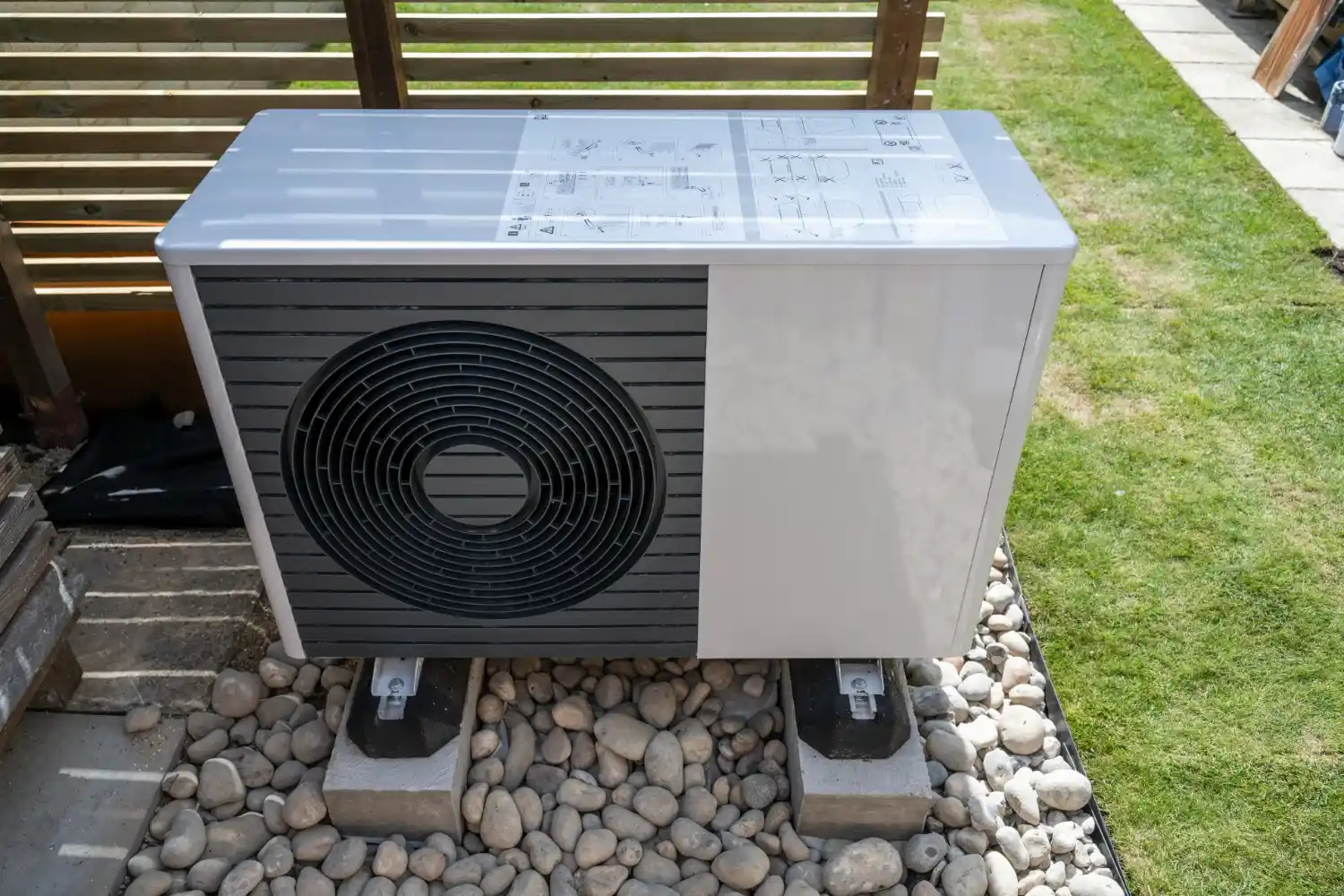





Recent Blogs
Stay updated with our latest blog posts.


Understanding why HVAC replacement is a smart investment can save you from months of rising energy bills, unexpected repair costs, and the kind of comfort problems that make a house feel like a burden instead of a home. The short answer: at some point, keeping an aging system alive costs more — in money, comfort, and safety — than replacing it with something better.
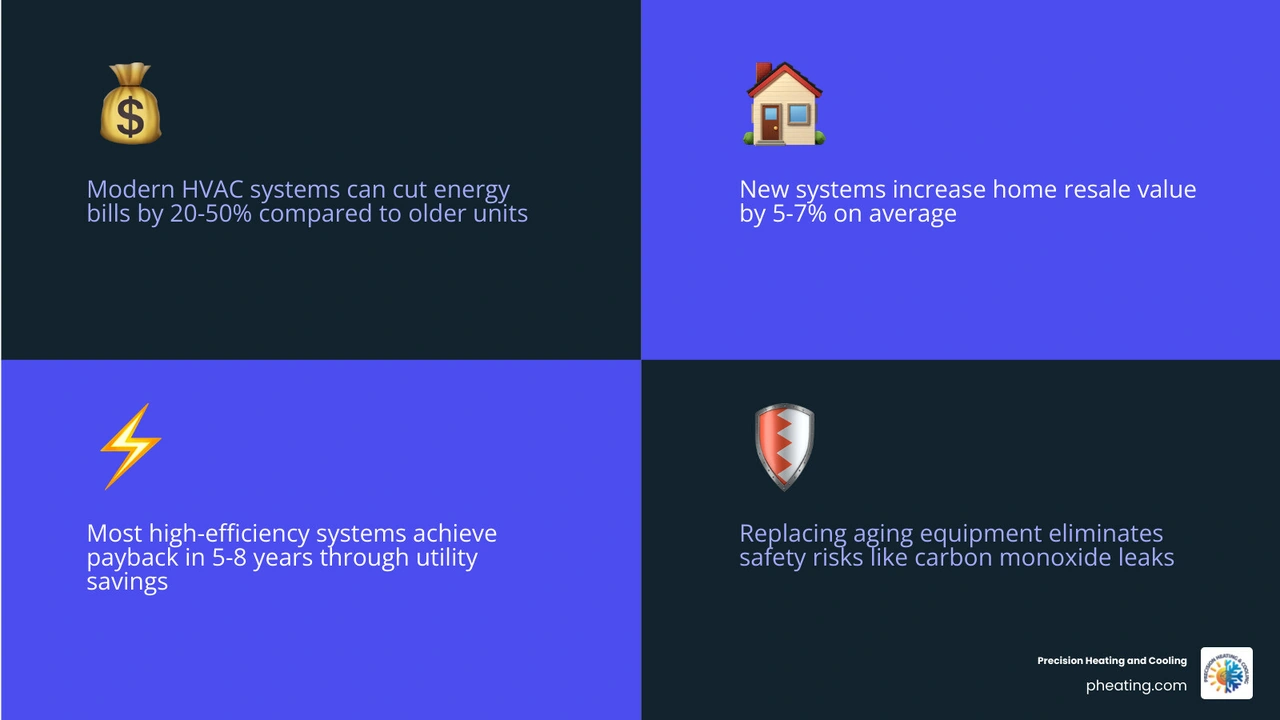
Here is a quick summary of the core reasons HVAC replacement pays off:
The reality is that heating and cooling account for up to 50% of a typical home's energy bill. When your system is old, inefficient, or constantly breaking down, that number only grows. And in the San Jose Bay Area — where summers push systems hard and energy costs are already high — an underperforming HVAC unit hits your wallet faster than almost anywhere else.
I'm Tony Lara, an HVAC professional with hands-on experience helping homeowners navigate exactly this kind of decision, and I've seen how understanding why HVAC replacement is a smart investment can shift a homeowner's perspective from dreading the expense to feeling confident in the outcome. In the sections ahead, we'll walk through the financial frameworks, efficiency gains, home value impacts, and safety considerations that make this one of the smartest upgrades you can make to your home.
When your heating and cooling system begins to age, it does not just quietly go about its job. It begins to consume more electricity and natural gas to deliver the same level of comfort. This steady decline in performance directly impacts your monthly utility bills. Older systems were manufactured under outdated energy standards, meaning even when they were brand new, they used significantly more energy than basic modern units do today.
For homeowners in places like Cupertino, Palo Alto, and Los Gatos, energy consumption is a top-of-mind concern. Upgrading your system allows you to leap forward in technology. Modern air conditioners and heat pumps are rated under the SEER2 (Seasonal Energy Efficiency Ratio 2) system, which measures cooling efficiency under realistic duct-pressure conditions. Similarly, gas furnaces are rated by AFUE (Annual Fuel Utilization Efficiency), which measures how efficiently the system converts fuel into heat.
If your current system was installed over a decade ago, it likely operates at a much lower SEER or AFUE standard. Upgrading to a modern system through services like our HVAC Replacement Los Gatos CA options means you instantly reduce your home's carbon footprint while locking in permanently lower operating costs.

The secret behind the massive utility savings of modern HVAC systems lies in variable-speed technology. Traditional heating and cooling systems are single-stage. They operate like a light switch: they are either 100% on or completely off. When your home cools down slightly, a single-stage system blasts on at full power, drafts cold air, and then shuts off. This constant cycling is incredibly inefficient—much like driving a car in stop-and-go city traffic by flooring the gas pedal and then slamming on the brakes.
Modern high-efficiency systems, especially advanced heat pumps, utilize variable-speed compressors and blower motors. These systems act more like cruise control on a highway. They run continuously at lower, whisper-quiet speeds, adjusting their output in tiny increments to maintain a perfectly steady temperature.
By running at lower speeds for longer periods, they consume a fraction of the electricity used by older systems during startup cycles. When you couple this technology with local programs, such as those highlighted in our guide on California Energy Rebates for HVAC Upgrades, the financial return on your investment becomes clear very quickly.
How do you know when it is time to stop repairing your existing system? Many homeowners fall into what we call the "repair spiral." This is a frustrating cycle where you replace a capacitor one month, fix a fan motor the next, and find yourself constantly scheduling service calls just to keep a dying unit running.
To help homeowners make objective decisions, we use two simple financial frameworks:
To help you visualize this choice, here is a quick comparison table:
| Decision Factor | When to Choose Repair | When to Choose Replacement |
|---|---|---|
| System Age | Under 10 years old | Over 12–15 years old |
| Refrigerant Type | Modern R-410A or newer | Phased-out R-22 (Freon) |
| Repair Frequency | First or second minor issue | Multiple breakdowns in 12–24 months |
| Utility Bill Trend | Stable or predictable | Steadily rising without explanation |
| Safety Status | Completely safe | Cracked heat exchanger or electrical hazards |
If you are dealing with a system that is constantly struggling in the San Jose heat, scheduling a professional diagnostic through our HVAC Repair San Jose CA service can help you determine exactly where your system stands on this matrix.
If you plan to sell your home in the near future, you might wonder if replacing your HVAC system right before listing is worth the effort. The answer is a resounding yes. A new heating and cooling system is one of the few home improvements that provides both hard appraisal value and soft psychological appeal to prospective buyers.
When buyers tour a home, they look closely at the age of the major systems. If they see a rusted, noisy outdoor unit, they immediately start calculating how much they will need to spend to replace it after moving in. This often leads to lower offers or demands for steep seller concessions during negotiations.
Upgrading your system with a professional HVAC Installation San Jose CA removes this objection entirely, giving you significant leverage during the sale process.
From an appraiser's perspective, a new, professionally installed HVAC system is a major capital improvement. It directly increases your home's appraised value, particularly in warm climates where air conditioning is considered a baseline necessity rather than a luxury.
Beyond the strict appraisal numbers, a new system changes the entire psychology of the transaction:
Replacing your heating and cooling system before listing your property allows you to control the narrative of the sale. Instead of reacting to a buyer’s home inspection report and being forced to make a rushed, emergency replacement under tight contract deadlines, you can plan the installation in advance.
Additionally, high-quality modern systems come with manufacturer warranties. In many cases, these warranties are fully transferable to the new homeowner, providing incredible peace of mind and acting as a powerful selling point in your marketing materials.
While the financial return of a new system is easy to calculate on paper, the daily improvement in your quality of life is just as valuable. Older systems often struggle to maintain consistent temperatures, leaving some rooms ice-cold while others remain uncomfortably warm. They also tend to run loudly, turning on with a sudden, disruptive roar that can interrupt sleep or conversations.
Modern systems solve these issues entirely. By upgrading, you gain access to whisper-quiet equipment that works in harmony with your home's layout. To keep these systems running at peak performance, pairing them with the Benefits of Regular HVAC Maintenance ensures you enjoy these lifestyle improvements for decades to come.
One of the biggest comfort challenges in coastal and valley areas is managing indoor humidity. When a single-stage air conditioner runs, it often cools the air so quickly that it shuts off before it has a chance to pull excess moisture out of the air. This leaves your home feeling damp and clammy, tempting you to lower the thermostat even further and waste more energy.
Variable-speed systems run for longer, gentler cycles, allowing them to continuously dehumidify your indoor air. This superior humidity control means you can actually set your thermostat a few degrees higher in the summer while feeling just as cool and comfortable. When paired with smart thermostats and multi-zone climate control, you can customize the temperature of individual rooms, eliminating family arguments over the thermostat once and for all.
Your heating and cooling system is not just responsible for your comfort—it also plays a critical role in your family's safety. Aging systems, particularly gas furnaces, pose serious risks if they are allowed to degrade past their natural lifespans:
Replacing an outdated system completely eliminates these safety concerns, replacing them with modern, code-compliant equipment built to the highest safety standards.
One of the reasons why HVAC replacement is a smart investment right now is the unprecedented availability of financial incentives. The state of California, along with federal programs, is actively encouraging homeowners to transition to high-efficiency climate systems, particularly electric heat pumps.
Under current energy programs, you can take advantage of substantial utility rebates and state-level incentives that dramatically reduce the net cost of your upgrade. Many local utility providers in Cupertino, Santa Clara, and Clovis offer direct rebates for upgrading to qualifying high-efficiency equipment.
By combining these local utility programs with state incentives, you can offset a significant portion of your project. Be sure to explore our dedicated breakdown of California Energy Rebates for HVAC Upgrades to see which incentives apply to your specific ZIP code.
Making the decision to replace your heating and cooling system comes with plenty of questions. Here are some of the most common inquiries we hear from homeowners in our service areas.
Yes, it absolutely does. Real estate data consistently shows that a new HVAC system is one of the most practical upgrades you can make before selling. On average, a new system can increase your home's appraised value by 5% to 7%, and up to 10% in high-demand, warmer markets.
Furthermore, homes with updated systems sell faster because they eliminate buyer anxieties about immediate, expensive repairs post-closing.
Most high-efficiency systems pay for themselves within 5 to 8 years through monthly utility savings and avoided repair costs. Because modern variable-speed systems and heat pumps use up to 50% less energy than older units, the monthly reduction in your utility bills starts compounding immediately. Over the typical 15-to-20-year lifespan of a new system, this translates to thousands of dollars in pure savings.
The most critical safety risk is a cracked heat exchanger in a gas furnace. Because carbon monoxide is odorless and colorless, a crack in this component is an immediate life-safety hazard that requires the system to be shut down.
Additionally, older systems running on phased-out R-22 refrigerant present severe financial and environmental risks if they develop leaks, making full system replacement the only practical and safe path forward.
Investing in a new heating and cooling system is one of the most significant and rewarding decisions you can make for your home. From slashing your monthly utility bills and eliminating safety hazards to boosting your property's resale value, the benefits of proactive replacement far outweigh the stress of managing a failing, outdated system.
At Precision Heating and Cooling, we have spent over two decades helping homeowners across the San Jose Bay Area and the Central Valley—including Cupertino, Los Gatos, Clovis, Palo Alto, Santa Clara, Sunnyvale, and Hanford—make smart, confident choices about their home comfort. We pride ourselves on delivering reliable service, competitive pricing, and Flexible Payment Options designed to fit your family's budget.
When you work with us, you are choosing a partner with deep local roots. To learn more about our commitment to quality, read about Why Choose a Company with Decades of Silicon Valley Experience.
Ready to transform your home's comfort and start saving on your energy bills? Schedule your professional consultation with Precision Heating and Cooling today and let our expert team design the perfect, high-efficiency climate solution for your home.

Leslie was amazing for her outstanding customer service skills with me the other day. Thanks to her help my air conditioner is now all set up. She answered all my questions and took away all my problems. Leslie broke it down step by step to set it up easier. Now thanks to her my air conditioner is working perfectly. I really appreciate it Leslie and I’ll be sure to ask for you if I ever come back.
I contacted Precision Heating and Cooling for my home's AC repair. They were punctual and very professional. Guillermo was very kind and thorough. I would highly recommend them!
I am writing to express my sincere appreciation for the excellent work performed by Pablo and Alejandro from Precision Heating and Cooling. Their commitment to quality and customer satisfaction is truly commendable. Awesome job guys!
I would like to extend my sincere gratitude to Alejandro for his exceptional hard work. His passion for helping others is evident, and he consistently goes above and beyond in his service. Alejandro's thorough cleaning of my fireplace has truly made a significant difference. His dedication and professionalism are greatly appreciated.
I was very impressed. Came at night (after 9pm) to fix our AC during the middle of a heat wave the day before a national holiday! Technician was very courteous and efficient, got the job done quickly. Will definitely call them again for any AC servicing I need!
Fast and efficient, arrived when scheduled for repairs and replacement parts were ordered and installed quickly. Techs were very friendly and professional. AC system works great now! I highly recommend their services if you need repairs. Tim


.avif)
