


.avif)






Recent Blogs
Stay updated with our latest blog posts.


As the weather warms up, many homeowners in the San Jose Bay Area start thinking about their air conditioning. If you want your home to stay comfortable and avoid surprise breakdowns when temperatures rise, spring ac and hvac maintenance is key. Getting your system checked now can save you stress and money later.
For reliable spring ac and hvac maintenance in the San Jose Bay Area, trust Precision Heating and Cooling. Learn more about our services and schedule your appointment today.
Here’s why spring AC and HVAC maintenance is so important:
I'm Tony Lara, and my passion for HVAC comes from a desire to solve problems and help people stay comfortable. My experience in operations and customer service has given me a deep understanding of what it takes to deliver reliable spring ac and hvac maintenance.
By the time April 2026 rolls around in the San Jose Bay Area, the mild winter is a distant memory, and the first heat waves are just over the horizon. Many of us treat our HVAC systems like a "set it and forget it" appliance, but your air conditioner is more like a vehicle. You wouldn't take a cross-country road trip in a car that hasn't had an oil change in three years, and you shouldn't ask your AC to handle a California summer without a tune-up.
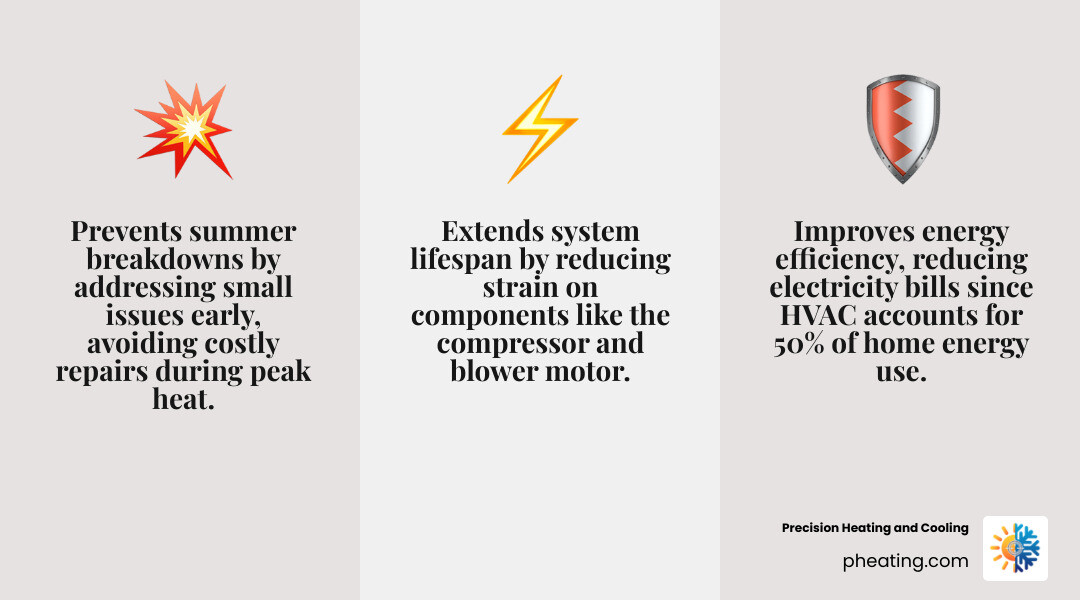
Heating and cooling your home accounts for roughly 50% of your total electricity bill. When your system is bogged down by winter debris, clogged filters, or low refrigerant, it has to work overtime to reach the temperature you set on the thermostat. This extra effort doesn't just spike your utility costs; it places immense strain on critical components like the compressor and blower motor.
Regular Ac Maintenance Extend Your System by identifying these "silent killers" before they lead to a total system failure on a 95-degree afternoon in Santa Clara or Hanford. Furthermore, if you use a heat pump, the transition from heating to cooling mode requires specific checks to ensure the reversing valve and outdoor coils are functioning correctly. This is exactly why heat pump needs spring maintenance to handle the seasonal shift.
Beyond the mechanical health of the unit, timely ac repair crucial for optimal performance ensures your indoor air quality remains high. After sitting dormant or running in heating mode all winter, your ducts and coils can harbor dust, pollen, and even mold. A spring cleaning for your HVAC system means your family breathes easier as the allergy season kicks into high gear.
While we always recommend a professional eye for the technical stuff, there is plenty you can do as a homeowner to give your system a head start. Think of these tasks as the "spring cleaning" portion of your spring ac and hvac maintenance routine.
Airflow is the lifeblood of your cooling system. If the air can’t move, the system can’t cool. Here is your home-front checklist:
For more localized advice, check out our best ac maintenance tips Clovis Ca to see how we handle the unique dust and heat of the valley.
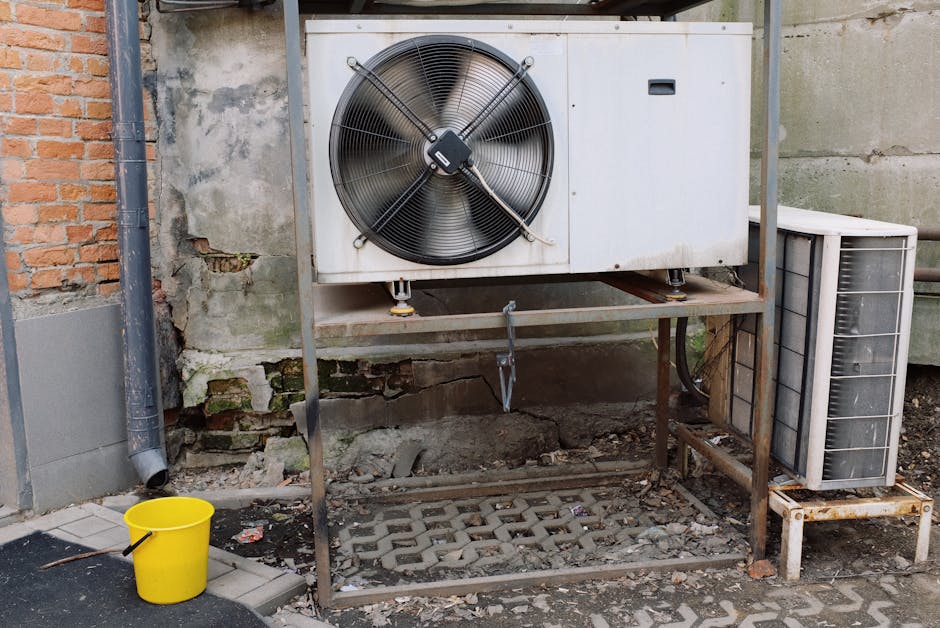
Your outdoor unit (the condenser) has a tough job. It’s responsible for releasing the heat from inside your home to the outside air. If it’s wrapped in a "blanket" of leaves, dirt, or overgrown bushes, it can't breathe.
For a deeper dive into these steps, read our guide on preparing your ac for summer maintenance.
While DIY steps are great for maintenance, a professional tune-up is where the real magic happens. There are certain things a homeowner simply can't (and shouldn't) do, such as handling refrigerants or testing high-voltage electrical components.
When our technicians arrive at your home in Palo Alto or Sunnyvale, we perform a comprehensive multi-point inspection. We aren't just looking to see if it "turns on"; we are measuring its efficiency and safety.
Whether you need an ac tune up San Jose Ca or an hvac tune up Palo Alto Ca, professional service is the best insurance against the summer heat. Many homeowners ask why technicians recommend them yearly—the answer is simply that an ounce of prevention is worth a pound of cure (and a much lower repair bill).
If your HVAC system is the "heart" of your home's comfort, the ductwork is the "arteries." Unfortunately, the average forced-air system loses 20 to 30 percent of conditioned air to duct leakage. That is air you've already paid to cool that is escaping into your attic or crawlspace.
| Feature | Standard Filter | High-Efficiency (MERV 11+) |
|---|---|---|
| Dust Removal | Basic | Advanced |
| Allergen Capture | Low | High (Pollen, Dander, Mold) |
| Airflow Impact | Minimal | Moderate (Requires clean coils) |
| Replacement Frequency | 30-60 Days | 60-90 Days |
Sealing these leaks and ensuring your ducts are properly insulated can drastically improve your comfort levels. If you have "hot spots" in your home that never seem to get cool, you might also consider a ductless ac installation solve hot and cold spots. These systems are incredibly efficient and allow for "zoning," so you aren't cooling the guest room you never use.
Upgrading to a smart thermostat is another high-impact move. These devices can save you an additional 10-15% on cooling costs by learning your schedule and adjusting the temperature when you aren't home. To make maintenance even easier, we offer a comprehensive hvac maintenance plan San Jose Ca that includes regular tune-ups and priority service.
The "sweet spot" is early spring—specifically March and April. During this window, HVAC companies have finished the winter heating rush but haven't yet been overwhelmed by summer emergency calls. By scheduling early, you get better technician availability and the peace of mind that your system is ready before the first 90-degree day hits.
If you notice any of the following, don't wait for your scheduled maintenance—call us right away:
At a minimum, check your filters every 30 days. If you have pets that shed, allergies, or live in a particularly dusty area like Hanford or Clovis, you may need to change them every month. For most homes, a high-quality pleated filter should be replaced every 60 to 90 days. A clogged filter forces your system to work overtime, which is the leading cause of avoidable repairs.
Investing in spring ac and hvac maintenance isn't just about avoiding a breakdown; it’s about protecting your home, your family's comfort, and your wallet. At Precision Heating and Cooling, we’ve spent over two decades helping our neighbors in Cupertino, Los Gatos, Clovis, Palo Alto, Santa Clara, Sunnyvale, and Hanford stay cool when the California sun starts to sizzle.
With our reliable service, competitive pricing, and flexible payment options, there’s no reason to sweat through another summer wondering if your AC will hold up. Whether you are in the heart of the San Jose Bay Area or the Central Valley, we are here to ensure your cooling system is ready for the long haul.
Don't wait for the heat to arrive. Schedule your professional spring HVAC maintenance today and enjoy the peace of mind that comes with a job done right.

Leslie was amazing for her outstanding customer service skills with me the other day. Thanks to her help my air conditioner is now all set up. She answered all my questions and took away all my problems. Leslie broke it down step by step to set it up easier. Now thanks to her my air conditioner is working perfectly. I really appreciate it Leslie and I’ll be sure to ask for you if I ever come back.
I contacted Precision Heating and Cooling for my home's AC repair. They were punctual and very professional. Guillermo was very kind and thorough. I would highly recommend them!
I am writing to express my sincere appreciation for the excellent work performed by Pablo and Alejandro from Precision Heating and Cooling. Their commitment to quality and customer satisfaction is truly commendable. Awesome job guys!
I would like to extend my sincere gratitude to Alejandro for his exceptional hard work. His passion for helping others is evident, and he consistently goes above and beyond in his service. Alejandro's thorough cleaning of my fireplace has truly made a significant difference. His dedication and professionalism are greatly appreciated.
I was very impressed. Came at night (after 9pm) to fix our AC during the middle of a heat wave the day before a national holiday! Technician was very courteous and efficient, got the job done quickly. Will definitely call them again for any AC servicing I need!
Fast and efficient, arrived when scheduled for repairs and replacement parts were ordered and installed quickly. Techs were very friendly and professional. AC system works great now! I highly recommend their services if you need repairs. Tim


.avif)
