


.avif)






Recent Blogs
Stay updated with our latest blog posts.


Understanding how to prevent HVAC emergencies with maintenance starts with knowing exactly what goes wrong inside your heating and cooling system. Your HVAC system is a complex network of electrical connections, pressurized fluids, and heavy moving parts. When one small piece of this puzzle begins to fail, it places immense strain on the rest of the system.
Over 60% of emergencies happen during peak seasons because that’s when your system is pushed to its absolute limit. When the summer heat in Cupertino or Sunnyvale spikes, or when a chilly winter night hits the Central Valley, any underlying vulnerability will quickly turn into a complete system shutdown. Let's look at the primary culprits behind these sudden failures and how they manifest in your home.
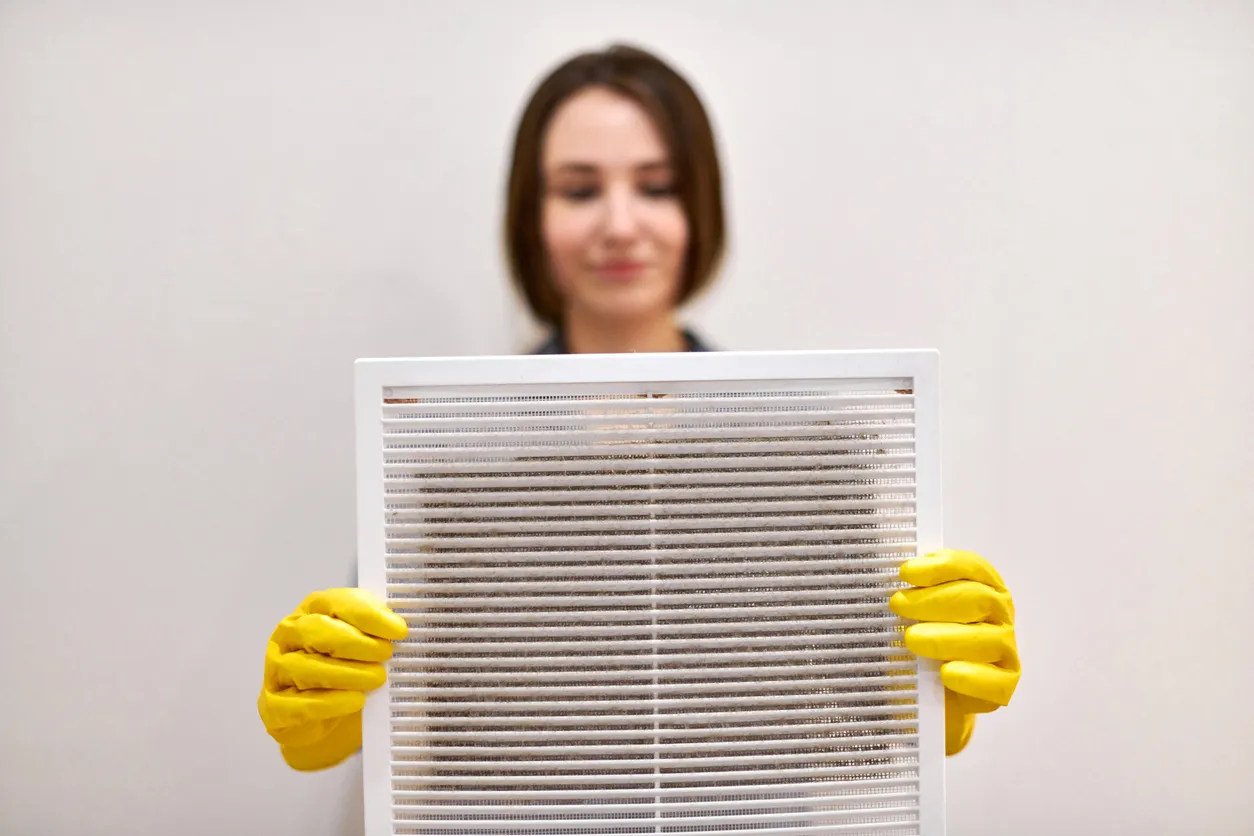
Airflow is the lifeblood of your heating and cooling system. When airflow is restricted, your HVAC system has to work twice as hard to move conditioned air through your home. The number one cause of preventable HVAC emergencies is a dirty air filter. A clogged filter can cause a 15% loss in efficiency almost instantly, forcing the blower motor to run constantly and overheat.
When airflow is choked off, the evaporator coil inside your indoor unit becomes too cold. Without enough warm air passing over it to transfer heat, the refrigerant inside the coil drops below freezing. This causes moisture in the air to freeze directly onto the coil, encasing it in a solid block of ice. Running a system with frozen coils can cause liquid refrigerant to flood back into your compressor—the most expensive component in your outdoor unit—destroying it completely.
Dirty condenser coils on your outdoor unit present the opposite problem. If the outdoor coils are coated in dirt, leaves, or pet hair, they cannot release heat into the outdoor air. This causes your compressor to overheat and short-cycle. To keep your system running smoothly, you must take steps to Prevent AC Problems Before They Start by keeping both your indoor and outdoor coils clean and unobstructed.
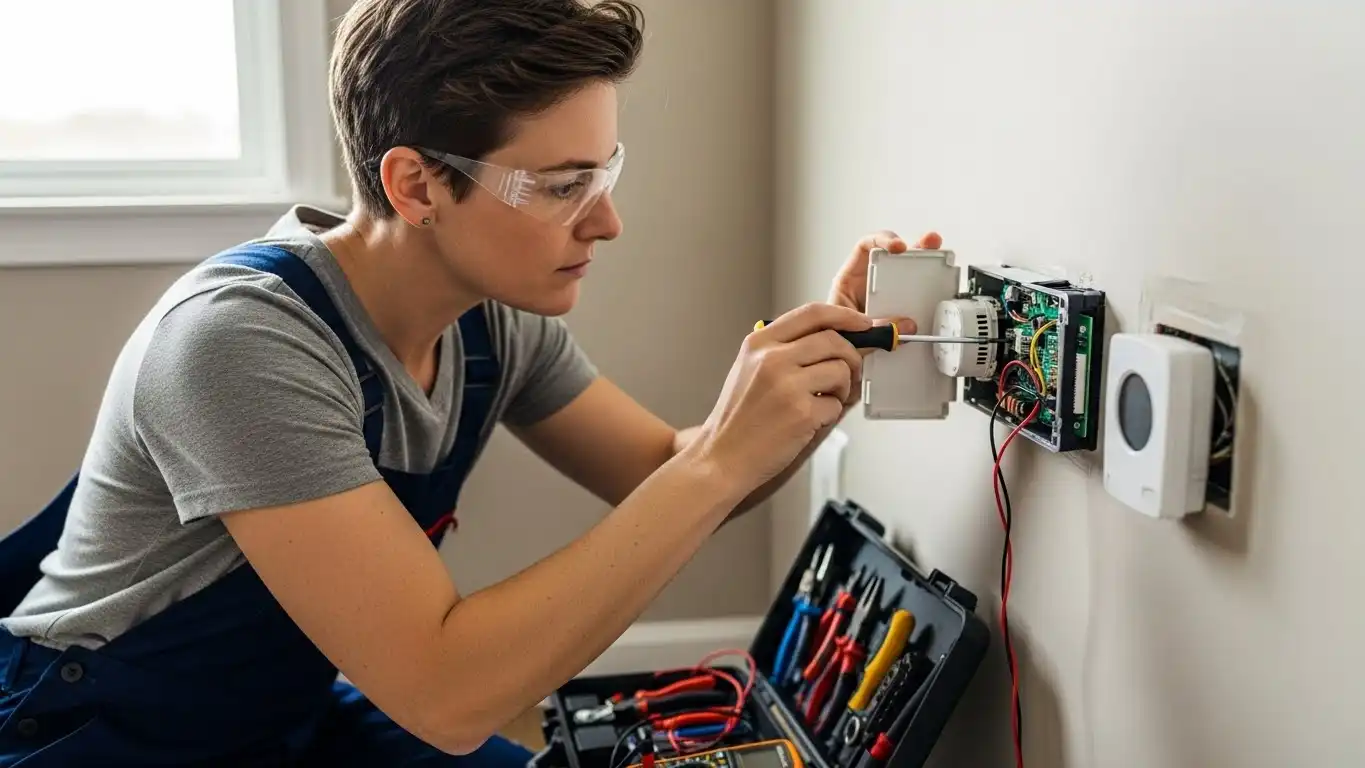
It might surprise you to learn that roughly 40% of HVAC emergencies actually stem from thermostat malfunctions. Your thermostat is the brain of your entire system. If the batteries are dying, the internal wiring is corroded, or the sensors are miscalibrated, it may send erratic signals to your heater or air conditioner. This can lead to rapid short-cycling, where the system turns on and off every few minutes, wearing out electrical contacts and putting immense strain on the compressor.
In addition to thermostat glitches, general electrical wear is a massive threat to your system's reliability. Loose electrical connections, corroded contacts, and failing capacitors are incredibly common failure points. A capacitor acts like a temporary battery that gives your fan motor and compressor the high-voltage boost they need to start up. During peak summer heat waves in Santa Clara or Sunnyvale, weak capacitors are highly prone to failing completely. When a capacitor dies, your outdoor unit will hum loudly but refuse to start, eventually tripping your circuit breakers. For a deeper look at these electrical issues, check out our Emergency HVAC Repair Complete Guide.
Your HVAC system rarely fails without warning. It will almost always try to communicate that something is wrong before it shuts down completely. By learning to recognize these early warning signs, you can schedule a quick repair visit and avoid a stressful, middle-of-the-night emergency call.
If you notice any of these red flags, acting quickly is essential. Silicon Valley homeowners face unique climate demands, making it crucial to review Emergency HVAC Repair Tips for the Silicon Valley Homeowners to protect your household comfort.
The absolute best way to ensure your heating and cooling system remains reliable year-round is to implement a structured maintenance program. By combining simple DIY habits with professional diagnostic tune-ups, you can practically eliminate the risk of unexpected breakdowns.
To keep your system in peak condition, we highly recommend investing in a structured program. You can learn more about how these plans work in our HVAC Maintenance Plans Guide.
To give you an idea of how maintenance responsibilities are shared, here is a quick breakdown of DIY tasks versus professional inspections:
| Maintenance Task | DIY (Homeowner) | Professional Technician | Frequency |
|---|---|---|---|
| Inspect and Replace Air Filters | Yes | Yes | Every 30–90 days |
| Clear Debris Around Outdoor Unit | Yes | Yes | Monthly |
| Flush Condensate Drain Line | Yes | Yes | Every 3 months |
| Clear and Unblock Air Vents | Yes | No | Monthly |
| Test Thermostat Functionality | Yes | Yes | Seasonally |
| Inspect Electrical Connections & Amperage | No | Yes | Twice a year |
| Check Refrigerant Levels & Pressures | No | Yes | Twice a year (Spring) |
| Inspect Heat Exchanger for Cracks | No | Yes | Twice a year (Fall) |
| Deep Clean Evaporator & Condenser Coils | No | Yes | Annually |
While complex electrical and refrigeration work must always be left to certified professionals, there are several highly effective tasks you can perform yourself to protect your system.
This is the single most important DIY maintenance task. Check your filter every 30 days, especially during heavy-use seasons or if you have pets, smokers, or allergy sufferers in your home. Replace standard 1-inch filters at least every 90 days. Using high-quality MERV 8 to 11 filters provides excellent filtration without overly restricting the airflow of residential systems.
Your outdoor condenser unit needs room to breathe. Maintain at least a 2-foot clearance on all sides by trimming back shrubs, plants, and weeds. Regularly clear away fallen leaves, twigs, and grass clippings that can clog the delicate aluminum fins.
Your air conditioner removes an incredible amount of moisture from your indoor air. This moisture drains out through a plastic condensate line. Over time, algae and mold can grow inside this warm, wet pipe, leading to a clog that backs up water into your home, causing massive drywall and ceiling damage. To prevent this, pour one cup of distilled white vinegar down your system's condensate drain line every three months to keep it clear.
Walk through your home in Cupertino, Sunnyvale, or Hanford and ensure that all supply registers and return air vents are open and completely unblocked by furniture, heavy drapes, or rugs. Closing vents in unused rooms does not save energy; instead, it unbalances the entire system, increases static pressure, and can lead to blower motor failure.
While DIY tasks keep your system clean on the surface, a professional technician uses advanced diagnostic tools to inspect sealed components and catch hidden issues before they escalate. If you are wondering about the ideal timeline for these visits, read our detailed guide on How Often Should You Service Your HVAC System.
During a professional tune-up, a technician will perform critical safety and performance checks:
To maximize your equipment's longevity and minimize your monthly energy consumption, your maintenance schedule should align with the changing seasons. Proper duct sealing and insulation also play a massive role in reducing strain on your HVAC system. A typical home loses 20% to 30% of its conditioned air through duct leaks and holes. By sealing these leaks with mastic sealant and ensuring your attic is properly insulated, you prevent your system from short-cycling and running continuously to compensate for lost air.
The shoulder seasons—spring and fall—are the perfect times to schedule professional service. This ensures your system is thoroughly vetted before extreme weather hits.
To prepare your home for the warm summer months, view our checklist on Spring AC and HVAC Maintenance. For those living in areas with moderate weather, you can read about the Benefits of Regular HVAC Maintenance in Mild Mediterranean climates. If you are ready to book your pre-summer service, look into our specialized HVAC Tune Up San Jose CA services and our comprehensive plan options for HVAC Maintenance San Jose CA.
Even with flawless maintenance, every heating and cooling system will eventually reach the end of its natural lifespan. Knowing when to stop pouring money into repairs and invest in a new, high-efficiency system is key to managing your home's operating costs.
If you are trying to decide on the best path forward for your home, learn more about our options for HVAC Service Palo Alto CA to get a professional, honest evaluation of your system's current condition.
You should have a professional technician service your system twice a year. Schedule a cooling tune-up in the spring (March or April) and a heating tune-up in the fall (September or October). This bi-annual approach ensures that your system is fully prepared for the upcoming peak seasons.
Yes, absolutely. A dirty filter restricts airflow, which is the leading cause of preventable HVAC emergencies. This restriction forces your blower motor to work much harder, leading to overheating and electrical failure. In the summer, restricted airflow causes the evaporator coil to freeze, which can destroy your compressor. In the winter, it can cause your furnace's heat exchanger to overheat and crack.
If your system fails during a heatwave or a severe cold snap, check the simple things first. Verify that your thermostat has fresh batteries and is set to the correct mode. Check your air filter; if it is completely black and clogged, turn the system off and replace it. Check your home's main electrical panel to see if a circuit breaker has tripped. If resetting the breaker once doesn't solve the problem, or if you smell burning or gas, turn the system off immediately at the thermostat and the breaker, and call for emergency professional service. While waiting for a technician, prioritize safety by using portable fans, staying hydrated, or utilizing space heaters safely.
Knowing how to prevent HVAC emergencies with maintenance is the most effective way to protect your home's comfort, lower your monthly utility bills, and avoid the stress of sudden system failures. By staying consistent with simple DIY habits like changing your air filters and keeping your outdoor unit clear, and pairing them with professional seasonal tune-ups, you can keep your system running reliably for years to come.
At Precision Heating and Cooling, we have over two decades of experience keeping homes comfortable across the San Jose Bay Area and Central Valley—including Cupertino, Los Gatos, Clovis, Palo Alto, Santa Clara, Sunnyvale, and Hanford. We pride ourselves on providing reliable, high-quality service, competitive pricing, and flexible payment options designed to fit your family's budget.
Don't wait for the next major weather event to find out if your system can handle the strain. Contact us today to schedule professional AC repair or to book your next preventative tune-up with our expert team!

Leslie was amazing for her outstanding customer service skills with me the other day. Thanks to her help my air conditioner is now all set up. She answered all my questions and took away all my problems. Leslie broke it down step by step to set it up easier. Now thanks to her my air conditioner is working perfectly. I really appreciate it Leslie and I’ll be sure to ask for you if I ever come back.
I contacted Precision Heating and Cooling for my home's AC repair. They were punctual and very professional. Guillermo was very kind and thorough. I would highly recommend them!
I am writing to express my sincere appreciation for the excellent work performed by Pablo and Alejandro from Precision Heating and Cooling. Their commitment to quality and customer satisfaction is truly commendable. Awesome job guys!
I would like to extend my sincere gratitude to Alejandro for his exceptional hard work. His passion for helping others is evident, and he consistently goes above and beyond in his service. Alejandro's thorough cleaning of my fireplace has truly made a significant difference. His dedication and professionalism are greatly appreciated.
I was very impressed. Came at night (after 9pm) to fix our AC during the middle of a heat wave the day before a national holiday! Technician was very courteous and efficient, got the job done quickly. Will definitely call them again for any AC servicing I need!
Fast and efficient, arrived when scheduled for repairs and replacement parts were ordered and installed quickly. Techs were very friendly and professional. AC system works great now! I highly recommend their services if you need repairs. Tim


.avif)
