


.avif)






Recent Blogs
Stay updated with our latest blog posts.


How wildfire smoke impacts your HVAC performance is something every Bay Area homeowner needs to understand before fire season hits — not after. Here is a quick breakdown:
How Wildfire Smoke Affects Your HVAC System at a Glance:
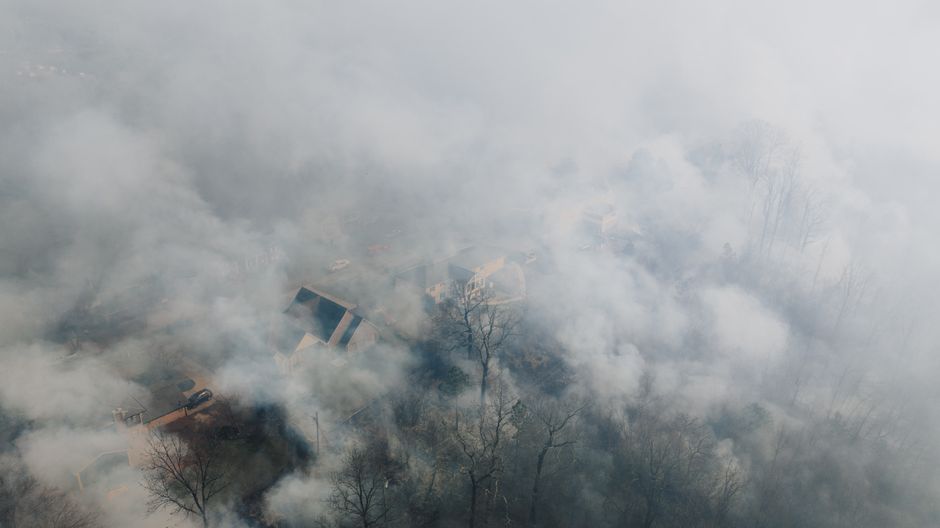
Wildfire smoke has become a seasonal reality across California and the broader western United States, and its effects reach far beyond what you can see in the sky. Even when fires are burning hundreds of miles away, fine particles and toxic gases travel on upper-level winds and quietly infiltrate homes through HVAC systems — often before residents realize there is a problem. For homeowners and small business owners in the San Jose Bay Area, where smoke from Northern California fires regularly blankets the region, the stakes for your heating and cooling equipment are very real.
I'm Tony Lara, an HVAC professional with hands-on experience diagnosing and repairing systems damaged by wildfire season conditions across the Bay Area. I've seen how wildfire smoke impacts your HVAC performance in ways that go well beyond a dirty filter — from fouled coils to compromised motors — and I'll walk you through everything you need to protect your system and your air quality.
When a wildfire event occurs, your central heating and cooling system essentially acts as the lungs of your home. If the air outside is thick with ash and fine particulates, your HVAC system draws these contaminants in, leading to a cascade of mechanical issues.
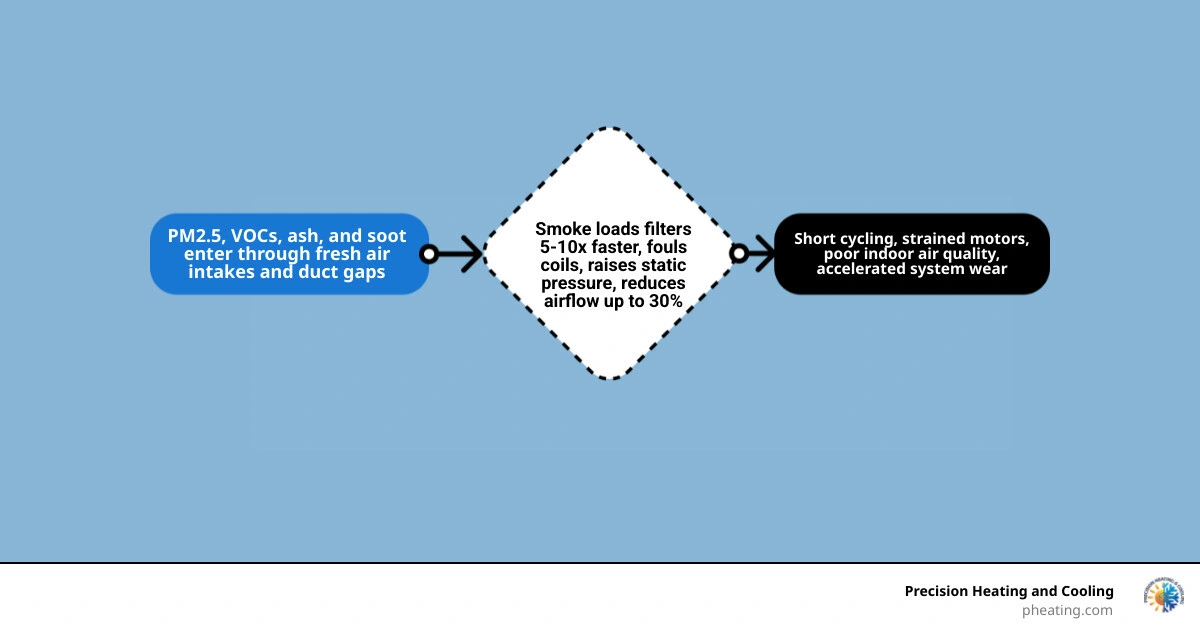
The most immediate issue is severe airflow restriction. As heavy soot and airborne ash hit your air filter, they pack tightly into the pleated material. Under normal conditions, a standard filter can last up to three months. However, during active wildfire events, filter loading increases by 5 to 10 times, which can choke your system's airflow in a matter of days.
This restricted airflow forces your blower motor to work significantly harder to pull air through the clogged filter. This extra strain not only causes a spike in your monthly energy bills but also leads to overheating and premature component failure. Over time, the cumulative stress of operating under these conditions can shorten your system's overall lifespan by several years. To understand the broader seasonal context of these changes, you can read more about How Wildfire Smoke Season Affects Your HVAC.
The mechanical impact of wildfire smoke extends far beyond the air filter. When a filter becomes completely saturated, the high static pressure can cause the filter to bend or collapse, allowing unfiltered, smoky air to bypass it entirely.
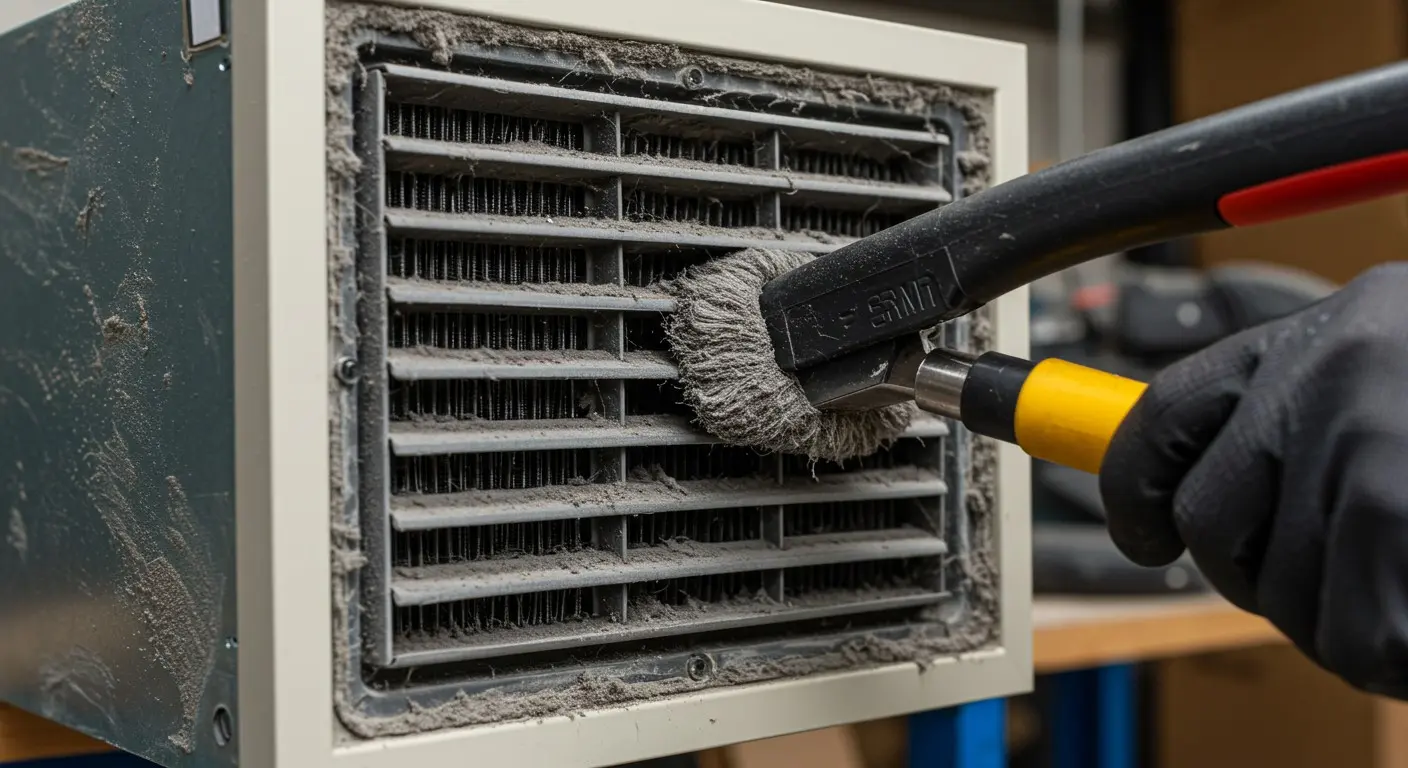
Once smoke bypasses the filter, fine ash and soot settle directly onto your indoor evaporator coils. This creates an insulating layer of grime that severely hinders the coil's ability to transfer heat. For air conditioners and heat pumps, this lack of heat transfer can cause the evaporator coils to freeze over, leading to system shutdowns.
Additionally, the system may begin "short cycling"—turning on and off rapidly—because it cannot maintain the set temperature. This constant cycling places immense stress on the compressor and fan motors, often leading to costly emergency repairs.
Wildfire smoke is not just simple wood ash; it is a complex, toxic cocktail of gases, heavy particulate matter, and chemical residues. When forests, brush, and residential structures burn, they release a wide array of harmful materials into the atmosphere.
To help you understand how these different components interact with your heating and cooling equipment, we have broken down the primary pollutants and their corresponding system risks below:
| Pollutant Component | Average Particle Size | Primary HVAC Vulnerability | Long-Term Mechanical Risk |
|---|---|---|---|
| Coarse Ash & Soot | 10 to 100+ microns | Air Filters, Condenser Coils | Rapid filter clogging, fan motor imbalance |
| Fine Particulate Matter (PM2.5) | 2.5 microns or smaller | Evaporator Coils, Ductwork | Reduced heat transfer, internal dust accumulation |
| Volatile Organic Compounds (VOCs) | Gas phase (<0.01 microns) | Air Quality Sensors, Plastics | Corroded electrical contacts, lingering odors |
| Corrosive Gases (Formaldehyde/CO) | Gas phase (<0.01 microns) | Heat Pump Sensors, Controls | Sensor failure, chemical degradation of copper lines |
Fine particulate matter, or PM2.5, consists of microscopic particles that are 2.5 micrometers or smaller in diameter—roughly 30 times smaller than the width of a human hair. Because of their incredibly small size, these particles behave more like a gas than a solid. They easily slip through standard, low-efficiency fiberglass filters (typically rated MERV 1 to 4), which are only designed to catch large dust bunnies and protect the equipment's basic mechanical parts.
When PM2.5 particles bypass low-grade filtration, they settle deep within your system's ductwork and on the blower wheel. For the occupants of your home, especially vulnerable populations like children, senior citizens, and those with pre-existing respiratory conditions, these microscopic particles pose a severe health risk. They can penetrate deep into the lungs and even enter the bloodstream, making high-efficiency filtration a necessity rather than an option.
In addition to physical particles, wildfire smoke contains high levels of volatile organic compounds (VOCs), formaldehyde, and nitrogen oxides. When these corrosive gases mix with the natural humidity inside your air handler, they can form mild acidic compounds.
These chemical residues can settle on sensitive electronic control boards, thermostat connections, and heat pump sensors. Over time, this exposure can lead to chemical corrosion, causing electrical shorts, inaccurate sensor readings, and system communication errors. In areas like Cupertino, Los Gatos, and Sunnyvale, where heat pumps are increasingly popular, keeping these sensitive sensors clean is vital for maintaining year-round efficiency.
When smoke blankets the Bay Area or the Central Valley, upgrading your filtration is your first and most effective line of defense. Standard filters simply cannot cope with the volume and size of wildfire particulates. You can explore how advanced filtration systems protect your living space by reading about the Enhance Indoor Air Quality Through Filtration and the many Benefits of Whole Home Air Filtration.
The Minimum Efficiency Reporting Value (MERV) scale rates a filter's ability to capture particles of varying sizes. For effective protection against wildfire smoke, we recommend upgrading to a MERV 13 filter. MERV 13 filters are highly efficient, capable of capturing up to 90% of PM2.5 particles and fine smoke residues.
While true HEPA filters (typically rated MERV 17 or higher) offer the ultimate level of protection by trapping 99.97% of particles down to 0.3 microns, they are often too thick and restrictive for standard residential HVAC blower motors. Installing a HEPA filter without a dedicated bypass system can restrict airflow so severely that it mimics a clogged filter, leading to frozen coils and motor failure.
For homeowners in Silicon Valley, we offer specialized filtration solutions tailored to your home's layout. You can learn more about local options by visiting our service pages for Whole Home Air Filtration San Jose CA and Best Home Air Filtration Palo Alto CA.
During a heavy smoke event, the standard rules of filter maintenance no longer apply. While you might normally change your filter every three months, wildfire conditions can load a filter to maximum capacity in as little as 48 hours to two weeks.
We advise checking your air filter weekly during active fire seasons in areas like Clovis, Hanford, and Santa Clara. If the filter material appears grey, dark brown, or covered in a layer of fine ash, replace it immediately. Keeping a backup supply of high-quality pleated filters on hand before the summer heat arrives is one of the smartest preparation steps you can take. To explore dedicated purification upgrades that work alongside your central system, check out our guide on Whole Home Air Purifiers Palo Alto CA.
How you operate your thermostat during a active wildfire smoke event directly determines how much outdoor air—and smoke—enters your living space.
To protect your indoor air quality and prevent your system from pulling in heavy outdoor pollutants, make these immediate adjustments to your HVAC settings:
Many homeowners are unsure whether to set their thermostat fan to "On" or "Auto" during a smoke event. If you have upgraded to a high-efficiency MERV 13 filter, switching the fan setting to "On" is highly beneficial. This keeps the blower motor running continuously, providing constant air filtration throughout your entire home.
However, if you are still using a standard MERV 8 or lower filter, running the fan continuously may simply circulate smoke particles throughout your home without trapping them. In this scenario, keep the fan on "Auto" until you can upgrade your filter.
For commercial spaces, maintaining a slight positive building pressure using clean, filtered make-up air units can prevent smoky outdoor air from leaking in through doors and window seals.
Commercial HVAC systems face unique challenges during wildfire season. Most commercial buildings rely on automated building management systems (BMS) that automatically adjust fresh air dampers based on indoor carbon dioxide levels. During a wildfire, these systems can mistakenly pull in massive volumes of smoky outdoor air to lower indoor CO2.
To prevent this, building managers must manually override the economizers and set the fresh air intake to its minimum allowable setting or close it entirely. Integrating real-time indoor air quality (IAQ) sensors and smart thermostats can help automate these adjustments, protecting both building occupants and expensive commercial rooftop units from heavy particulate damage.
Once the skies clear and the outdoor air quality index (AQI) returns to normal, the recovery process begins. The smoke may have passed, but the ash, soot, and chemical residues remain trapped inside your HVAC system's components and ductwork. To ensure your system is clean and safe, you can read about Professional Duct Cleaning for Indoor Air Quality and discover Why You Need Air Duct Cleaning for Healthy Home.
During heavy smoke events, fine ash can bypass your filters and coat your indoor evaporator coils, while outdoor ash blankets your outdoor condenser unit. This buildup acts as an insulating barrier, reducing your system's cooling efficiency and forcing it to run longer, hotter cycles.
After a major wildfire event, we recommend scheduling a professional coil cleaning. Our technicians use specialized, self-rinsing chemical cleaners to dissolve stubborn soot from delicate aluminum fins without damaging the coils. If you notice a persistent campfire smell inside your home even after changing your filter, it is a clear sign that ash has settled deep inside your system. For local assistance, check out our services for Air Duct Cleaning San Jose CA.
The best time to prepare for wildfire season is before the first spark ignites. Proactive maintenance ensures your system is sealed, filtered, and mechanically strong enough to handle the extra static pressure of high-efficiency filters.
Our pre-season inspections include checking ductwork integrity, sealing gaps with specialized mastic or foil tape, testing blower motor amp draws, and verifying that fresh-air dampers close tightly. To establish a worry-free schedule for your home, review our comprehensive HVAC Maintenance Plans Guide.
Yes, you should run your air conditioner, but you must ensure it is set to recirculation mode and that all windows, doors, and fresh air dampers are closed. Running your AC helps cool and dehumidify your home while constantly passing indoor air through your upgraded filter, actively cleaning your breathing zone.
The gaseous components of smoke will not damage your outdoor unit, but the physical ash and soot can. Heavy ash can accumulate in the delicate aluminum condenser fins of your outdoor unit, blocking airflow and causing the compressor to overheat. Gently rinsing the outdoor unit with a low-pressure garden hose (never a pressure washer) after the smoke clears can help remove this debris.
Portable HEPA air purifiers are highly effective, but they are limited to cleaning the specific room they are placed in. For comprehensive protection, we recommend a layered approach: use a high-efficiency MERV 13 filter in your central HVAC system to manage whole-home air volume, and place portable HEPA purifiers in high-use areas like bedrooms for localized, medical-grade air cleaning.
Understanding how wildfire smoke impacts your HVAC performance is key to keeping your home comfortable and your family safe during California's challenging fire seasons. From rapid filter clogging to hidden mechanical strain on your coils and blower motors, the effects of wildfire smoke require proactive care and expert attention.
At Precision Heating and Cooling, we bring over two decades of reliable service, competitive pricing, and flexible payment options to homeowners throughout the San Jose Bay Area and the Central Valley. Whether you live in Cupertino, Los Gatos, Clovis, Palo Alto, Santa Clara, Sunnyvale, or Hanford, our experienced team is here to help you upgrade your filtration, clean your ductwork, and prepare your system for whatever summer brings.
Protect your home and schedule professional HVAC service today with the local climate control experts at Precision Heating and Cooling.

Leslie was amazing for her outstanding customer service skills with me the other day. Thanks to her help my air conditioner is now all set up. She answered all my questions and took away all my problems. Leslie broke it down step by step to set it up easier. Now thanks to her my air conditioner is working perfectly. I really appreciate it Leslie and I’ll be sure to ask for you if I ever come back.
I contacted Precision Heating and Cooling for my home's AC repair. They were punctual and very professional. Guillermo was very kind and thorough. I would highly recommend them!
I am writing to express my sincere appreciation for the excellent work performed by Pablo and Alejandro from Precision Heating and Cooling. Their commitment to quality and customer satisfaction is truly commendable. Awesome job guys!
I would like to extend my sincere gratitude to Alejandro for his exceptional hard work. His passion for helping others is evident, and he consistently goes above and beyond in his service. Alejandro's thorough cleaning of my fireplace has truly made a significant difference. His dedication and professionalism are greatly appreciated.
I was very impressed. Came at night (after 9pm) to fix our AC during the middle of a heat wave the day before a national holiday! Technician was very courteous and efficient, got the job done quickly. Will definitely call them again for any AC servicing I need!
Fast and efficient, arrived when scheduled for repairs and replacement parts were ordered and installed quickly. Techs were very friendly and professional. AC system works great now! I highly recommend their services if you need repairs. Tim


.avif)
