


.avif)






Recent Blogs
Stay updated with our latest blog posts.


The heat pump advantages over traditional HVAC systems are real, measurable, and increasingly hard to ignore — especially if you're tired of running a separate furnace and air conditioner while watching your energy bills climb. Here's a quick look at how heat pumps stack up:
Key heat pump advantages at a glance:
More than 5 million heat pumps were sold in the U.S. in 2024 alone — outselling traditional gas furnaces for the first time in history. That's not a fluke. Homeowners across the country, from snowy Maine to mild California, are making the switch as the technology improves and the financial case gets stronger.
That said, heat pumps aren't a one-size-fits-all solution. Your climate, your home's existing ductwork, your local energy rates, and the quality of your installation all play a major role in how much you benefit. This guide breaks it all down clearly so you can make a confident, informed decision.
My name is Tony Lara, and I've spent years working hands-on in the HVAC field helping homeowners navigate exactly these kinds of decisions — including the real-world tradeoffs around heat pump advantages over traditional HVAC systems. I'll walk you through everything you need to know, from how heat pumps actually work to what they mean for your comfort, your wallet, and your home's long-term value.
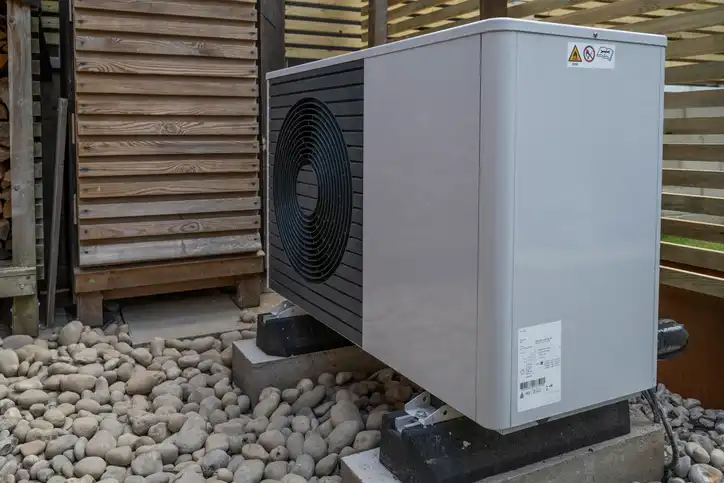
To truly appreciate the heat pump advantages over traditional HVAC, it helps to understand what a heat pump actually does. Many homeowners hear the word "pump" and think of water, or they hear "heat" and assume it can only keep a home warm. In reality, a heat pump is a highly sophisticated, two-in-one comfort machine.
Unlike a gas furnace, which creates heat by burning fossil fuels, a heat pump doesn't generate heat at all. Instead, it relies on the science of heat transfer. It simply moves existing heat from one place to another.
At the heart of this process is the refrigeration cycle, which utilizes a closed loop of chemical refrigerant, an indoor coil, an outdoor coil, and a compressor. The magic component that separates a heat pump from a standard air conditioner is the reversing valve. This valve allows the system to change the direction of the refrigerant flow, meaning it can switch between cooling your home and heating it on demand.
Because of this reversible nature, a single outdoor condenser paired with an indoor air handler can keep your home perfectly conditioned all year long. If you are looking to transition to this technology or need professional help setting up your system, utilizing certified Heat Pump Services San Jose CA is the best way to ensure your system is properly configured from day one.
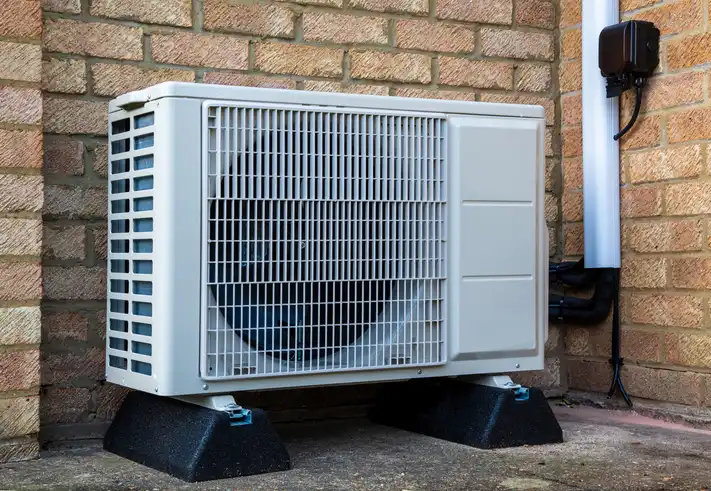
When it comes to cooling your home, heat pumps and traditional central air conditioners are practically identical twins. They share the same basic mechanical DNA: both use a compressor, copper coils, and refrigerant to extract heat from your indoor air and dump it outside.
The primary difference is that a standard air conditioner is a one-way street—it can only move heat out of your house. Once autumn arrives, your AC goes to sleep, and you have to fire up a separate heating system, like a gas or electric furnace. A heat pump, thanks to that reversing valve, has year-round utility. It does everything a central AC can do in July, but it also handles your heating needs in January.
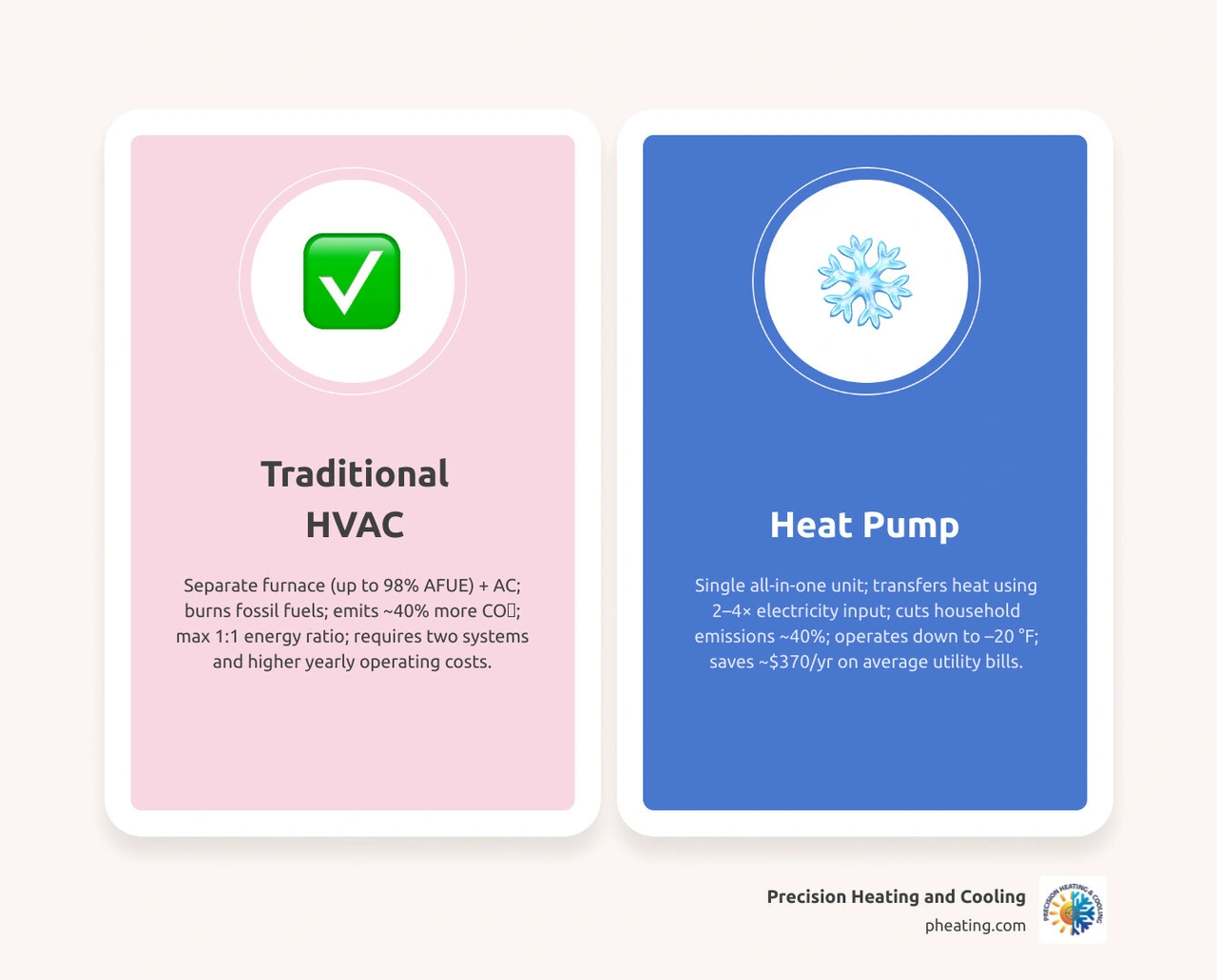
A traditional gas furnace relies on combustion heating. It burns natural gas or propane to create flame, heats up a metal component called a heat exchanger, and blows indoor air across that hot metal to warm your home. This process is inherently limited. Even the most efficient modern gas furnaces max out at about 98% efficiency, meaning 2% of the energy you pay for escapes straight up the flue vent.
A heat pump, by comparison, achieves a staggering Coefficient of Performance (COP) of 2.0 to 4.0 under normal operating conditions. Because it is transferring heat rather than creating it, a heat pump can deliver up to 300% to 400% efficiency. For every unit of electricity you feed into the system, you get three to four times that energy back in the form of comfortable indoor warmth.
Making the switch to an all-electric heat pump offers a wide array of practical benefits. When you compare a heat pump to a traditional split system (a standalone furnace paired with a separate central air conditioner), the advantages quickly accumulate.
| Feature | Modern Heat Pump | Traditional HVAC (Furnace + AC) |
|---|---|---|
| Primary Energy Source | Electricity | Electricity (for cooling) + Gas/Oil (for heating) |
| Heating Efficiency | 200% to 400% | 80% to 98% |
| System Footprint | Single outdoor unit + indoor air handler | Outdoor AC condenser + indoor gas furnace |
| Carbon Emissions | Zero direct operational emissions | High direct emissions from gas combustion |
| Temperature Delivery | Steady, continuous, even warmth | Intense, cycling blasts of hot air |
If you are currently relying on an aging furnace that is starting to struggle, it is highly beneficial to look at the big picture. Understanding When to Consider Heat Pump Replacement Services can help you time your system upgrade perfectly, avoiding emergency breakdowns in the middle of a seasonal weather shift.
While a heat pump represents a significant home investment, the long-term return on investment (ROI) is highly compelling. Because heat pumps operate at such high efficiencies, they significantly reduce monthly utility bills for many homeowners.
The most dramatic savings are realized by homeowners transitioning away from expensive, carbon-intensive heating fuels like fuel oil, propane, or old-fashioned electric resistance baseboards. These households often see their annual heating bills drop by close to $1,000. Even in regions where natural gas has historically been cheap, the high efficiency of a heat pump, combined with rising gas utility rates, makes electricity a highly competitive and often cheaper way to heat your home over the course of a year.
Furthermore, financial incentives have made upgrading more accessible than ever in 2026. Under the federal Inflation Reduction Act (IRA), qualifying air-source heat pump installations can qualify for tax credits of up to $2,000. Additionally, state-level rebate programs can offer up to several thousand dollars more for qualifying households, drastically reducing the net cost of your system upgrade.
Residential heating and cooling represent the single largest source of direct greenhouse gas emissions in the average American home. By choosing a heat pump over a fossil-fuel-burning furnace, you are making a massive dent in your household's carbon footprint.
Air-source heat pumps cut household CO2 emissions by roughly 40% compared to standard gas furnaces. Over a 15-year system lifecycle, that translates to a 38% to 53% overall reduction in emissions. As local electrical grids continue to transition toward renewable energy sources like solar and wind, your heat pump will automatically become even cleaner over time.
Additionally, the HVAC industry in 2026 is rapidly transitioning to new, environmentally friendly, low-Global Warming Potential (GWP) refrigerants, such as R-32 and R-454B. This means your new system is built to minimize environmental impact from top to bottom.
Traditional gas furnaces operate on a harsh "on-and-off" cycle. They wait until your home gets cold, turn on with a loud blast of hot air, overshoot your thermostat setting, and then shut off, leading to noticeable temperature swings.
Modern heat pumps—particularly those equipped with variable-speed inverter compressors—operate continuously at low, whisper-quiet levels. Instead of blasting you with air, they slowly modulate their output to match the exact heating or cooling load of your home. This results in incredibly consistent temperatures, superior humidity control during humid summer days, and a level of quiet, even thermal comfort that traditional systems simply cannot match.
A common misconception left over from the 1980s is that heat pumps only work in mild climates and will leave you shivering the moment the temperature drops below freezing. While it is true that older models struggled in extreme cold, modern engineering has completely shattered this myth.
Today's cold-climate heat pumps are equipped with advanced variable-speed inverter compressors and vapor-injection technology. These innovations allow the system to compress refrigerant more effectively at low temperatures, extracting usable heat even when outdoor temperatures plunge to -20°F. In fact, heat pumps have become the primary heating source in snowy, freezing Nordic countries like Norway, Sweden, and Finland, and more than 115,000 heat pumps have been successfully installed in Maine.
For homeowners in the San Jose Bay Area and Central Valley, our local weather patterns present a different set of demands:
In areas that do experience extreme, prolonged winter freezes, some homeowners choose a dual-fuel hybrid system. This setup pairs an electric heat pump with a high-efficiency gas furnace. The heat pump handles the heating duties during moderate winter days, and the gas furnace automatically kicks in as a backup only during extreme cold snaps.
To enjoy all the heat pump advantages over traditional HVAC systems, proper installation and ongoing care are absolutely critical. Because a heat pump runs year-round—providing cooling in the summer and heating in the winter—it logs more operational hours than a standalone furnace or air conditioner.
Switching to a new HVAC technology naturally brings up plenty of questions. Here are the answers to some of the most common questions we hear from homeowners considering a transition.
Yes, absolutely. A heat pump is designed to be a true all-in-one comfort system. In the summer, it functions exactly like a high-performance air conditioner. In the winter, it reverses its cycle to provide clean, efficient electric heating. For homes in mild to moderate climates, a heat pump can completely eliminate the need for a gas furnace or separate air conditioning unit, simplifying your home's mechanical systems and reducing your overall maintenance footprint.
Yes. Thanks to modern inverter technology, today's cold-climate heat pumps can easily handle freezing temperatures. Many models can maintain 100% of their heating capacity down to 5°F and continue to operate efficiently down to -20°F. For added peace of mind during extreme cold snaps, most heat pump systems are installed with auxiliary electric heating strips inside the indoor air handler, which automatically kick on to provide backup warmth if the outdoor temperatures drop below the system's optimal operating threshold.
On average, a well-maintained heat pump will last about 15 years. This is comparable to the lifespan of a standard central air conditioner. Because a heat pump operates year-round to handle both heating and cooling, it does experience more wear and tear than a gas furnace, which only runs for a few months out of the year. However, with regular biannual professional maintenance, a heat pump will deliver reliable, high-efficiency comfort for many years. If your system ever experiences performance issues or is nearing the end of its lifespan, securing a prompt Heat Pump Repair San Jose CA is key to protecting your investment.
When you weigh the heat pump advantages over traditional HVAC systems, the conclusion is clear: heat pumps represent the future of home heating and cooling. By offering unmatched energy efficiency, all-in-one year-round comfort, significant utility savings, and a dramatically lower carbon footprint, they are a smart, forward-looking upgrade for any home.
At Precision Heating and Cooling, we bring over two decades of hands-on experience to homeowners across the San Jose Bay Area and Central Valley. Whether you reside in Cupertino, Los Gatos, Clovis, Palo Alto, Santa Clara, Sunnyvale, or Hanford, our friendly, professional team is here to help you navigate your electrification journey. We pride ourselves on delivering reliable service, competitive pricing, and flexible payment options designed to fit your unique household budget.
Ready to future-proof your home's comfort and start saving on your energy bills? Visit our main Heat Pumps page today to learn more about our services, or contact us to schedule your professional home comfort consultation!

Leslie was amazing for her outstanding customer service skills with me the other day. Thanks to her help my air conditioner is now all set up. She answered all my questions and took away all my problems. Leslie broke it down step by step to set it up easier. Now thanks to her my air conditioner is working perfectly. I really appreciate it Leslie and I’ll be sure to ask for you if I ever come back.
I contacted Precision Heating and Cooling for my home's AC repair. They were punctual and very professional. Guillermo was very kind and thorough. I would highly recommend them!
I am writing to express my sincere appreciation for the excellent work performed by Pablo and Alejandro from Precision Heating and Cooling. Their commitment to quality and customer satisfaction is truly commendable. Awesome job guys!
I would like to extend my sincere gratitude to Alejandro for his exceptional hard work. His passion for helping others is evident, and he consistently goes above and beyond in his service. Alejandro's thorough cleaning of my fireplace has truly made a significant difference. His dedication and professionalism are greatly appreciated.
I was very impressed. Came at night (after 9pm) to fix our AC during the middle of a heat wave the day before a national holiday! Technician was very courteous and efficient, got the job done quickly. Will definitely call them again for any AC servicing I need!
Fast and efficient, arrived when scheduled for repairs and replacement parts were ordered and installed quickly. Techs were very friendly and professional. AC system works great now! I highly recommend their services if you need repairs. Tim


.avif)
